

Clean, properly mixed coolant is essential to your surface grinding performance — but it doesn’t last forever. Over time, even the best coolant degrades due to heat, swarf, bacteria, and improper maintenance. When this happens, your process suffers — and it often happens silently, long before obvious problems arise.
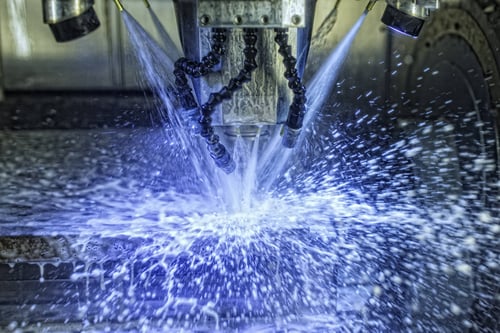
In fact, maintaining clean coolant doesn’t just improve performance — it saves money:
Maintaining clean coolant can extend the lifespan of diamond grinding wheels by 30% to 50%, depending on the application and wheel type. This translates to an estimated 25% to 35% reduction in yearly diamond wheel expenses.
— AZoM
This article will help you recognize the signs of coolant failure, how to test it, and how to build a smart coolant change schedule that protects your tools, machines, and workpieces.
Why Grinding Coolant Matters in Precision Operations
Your grinding coolant isn’t just there to cool. It plays multiple critical roles in precision grinding:
- Lubricates the grinding zone between wheel and workpiece
- Flushes away swarf and debris
- Prevents heat buildup that can burn or distort parts
- Protects machine components from corrosion and contamination
- Extends wheel life by keeping abrasive grains sharp and clean
When your surface grinder coolant begins to break down, it can lead to a chain reaction of problems: poor finishes, excessive wheel wear, higher scrap rates, and even health issues for operators.
How Coolant Breaks Down Over Time
Coolant degrades due to:
- Swarf accumulation that reduces filtration efficiency
- Bacterial and fungal growth that create rancid conditions
- Tramp oil contamination from way lube and hydraulics
- pH drift, reducing corrosion protection
- Emulsion instability due to poor water quality or chemical exhaustion
Even with regular top-offs, coolant becomes chemically unbalanced. That’s why full replacements are eventually necessary — and recognizing when is key.
Key Signs It’s Time to Replace Your Grinding Coolant
Foul Odors and Rancidity
One of the earliest and most obvious signs is smell. If your coolant smells sour, musty, or rotten, bacteria are breaking down the fluid — and its effectiveness.
Discolored or Cloudy Coolant
Healthy (undyed) coolant is typically translucent or milky white, depending on the formulation. If your fluid is:
- Brown or dark gray
- Opaque and murky
- Showing oil slicks on top
… it's time for a coolant change.
Poor Surface Finishes and Wheel Glazing
Contaminated coolant can no longer lubricate or cool effectively. This leads to:
- Burn marks on parts
- Rough or inconsistent finishes
- Wheel glazing (a shiny, dull grinding surface)
- Poor chip evacuation
Excessive Foam or Residue Build-up
Foaming coolant can:
- Trap air in the system
- Reduce pump flow and delivery
- Lead to dry spots or overheating
- Leave sticky residues on machines and parts
Increased Wheel Wear or Frequent Wheel Dressing
Dirty or chemically unstable coolant forces your wheels to work harder. Signs include:
- Accelerated abrasive wear
- More frequent dressing
- Shorter wheel life — especially with premium superabrasives
Operator Health Complaints (Skin or Respiratory Issues)
Coolant mist that’s contaminated can cause:
- Skin irritation
- Allergic reactions
- Respiratory complaints or coughing
Protect your people — if they’re complaining, test the coolant immediately.
How to Test and Monitor Coolant Health
Use a Refractometer for Coolant Concentration
A handheld refractometer lets you:
- Measure coolant concentration
- Ensure you’re within target specs
- Catch dilution issues early (too rich or too lean)
Always use the correction factor provided by your coolant supplier.
Check pH and Hardness Levels Regularly
Coolant should stay in a specific pH range (typically 8.5–9.5). Drift outside this range means:
- Loss of rust protection
- Favorable environment for bacteria
- Risk of machine corrosion
Also check water hardness — minerals reduce coolant life and can destabilize emulsions.
Visual Inspections and Scheduled Sampling
Regular visual checks reveal:
- Sludge at the bottom of the sump
- Oil floating on top
- Cloudiness or color change
- Foam and residue on machine parts
Schedule sampling every 1–2 weeks to track fluid trends over time.
Best Practices to Extend Coolant Life
Maintain Filtration and Skimming Systems
- Clean or replace coolant filters regularly
- Use oil skimmers to remove tramp oil
- Vacuum sludge from sump bottoms
- Ensure coolant lines are not clogged or bypassed
Filtration is your first defense against grinding coolant degradation.
Use Biocides and Additives Wisely
- Add biocides as needed to control microbial growth
- Follow manufacturer guidelines — too much can destabilize the fluid
- Avoid overusing additives that mask symptoms rather than solve them
Proper dosing helps prevent biological breakdowns and foul smells.
Implement a Coolant Management Schedule
- Test and record coolant concentration weekly
- Clean tanks and sumps quarterly (or more frequently for high-load systems)
- Fully replace coolant at least every 6–12 months depending on usage
- Train operators to recognize and report early signs of failure
Proactive fluid maintenance protects your tools, people, and bottom line.
When Coolant Replacement Becomes Inevitable
Even the best-maintained systems need a full coolant change eventually. If you’ve seen:
- Repeated pH problems
- Sludge buildup that keeps returning
- Bad odors within days of treatment
- Filtration can’t keep up
- Finish quality is declining despite clean equipment
…it’s time to flush and refill your coolant system.
Don't Let Coolant Compromise Your Grinding Results
How Eagle Superabrasives Supports Coolant Management
At Eagle Superabrasives, we know your grinding results depend on more than just the wheel. That’s why we help customers build complete systems — including guidance on:
- Coolant selection based on wheel bond and application
- Preventing wheel glazing and wear due to poor coolant
- Identifying coolant-related finish issues before they escalate
- Extending wheel life through proper coolant maintenance
Pairing our precision-engineered wheels with a reliable coolant system for grinding means:
- Fewer dressing cycles
- Better surface finishes
- Longer tool and machine life
When you're ready to take your grinding coolant performance to the next level, talk to the team at Eagle Superabrasives — where performance starts with preparation.