

Coolant is the lifeblood of precision grinding, playing a vital role in temperature control, swarf removal, and maintaining surface finish. But like any industrial fluid, coolants degrade over time—often faster than they should—due to contamination, neglect, or poor system design.
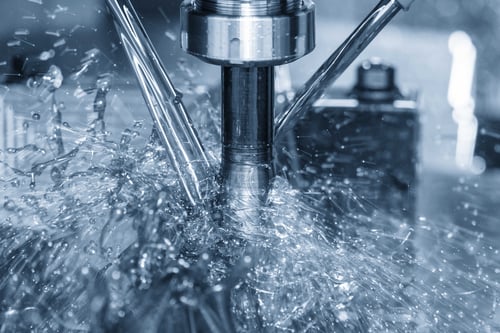
This guide provides engineers and operations managers with a practical framework to properly filter and recycle coolants in grinding machines. From understanding how contaminants like swarf, tramp oil, and microbes destroy coolant integrity to implementing proven coolant recycling systems, this article walks you through the best practices that can extend coolant life, protect your grinding wheels, and significantly lower fluid management costs.
The ROI of Proper Coolant Management
Why Coolant Management is Non-Negotiable for Grinding Machine Performance
Grinding processes generate enormous heat and create fine abrasive particles (swarf) that must be removed to maintain wheel performance. As coolant becomes contaminated, it loses its ability to lubricate and cool, leading to:
- Increased wheel wear
- Poor surface finishes
- Reduced dimensional accuracy
- Bacterial odors and skin irritation for operators
An unmanaged coolant system not only affects grinding outcomes but also increases downtime, maintenance costs, and coolant consumption.
The Immediate Benefits of Filtration: Extending Coolant Life and Reducing Costs
Proper filtration removes suspended solids, tramp oil, and biological contaminants before they can damage machinery or the coolant itself. The result is:
- Longer coolant life
- Fewer wheel dressings
- Lower disposal costs
- Cleaner machines and fewer shutdowns
Statistic: “Implementing a coolant recycling program can reduce total fluid management costs by up to 85% and reduce disposal costs by 95%.”
Source: ReCool
The Science of Contamination: Why Coolant Fails
Identifying the Contaminants: Swarf, Sludge, and Tramp Oil
Every grinding cycle adds to the contamination load in your coolant system. The main culprits include:
- Swarf: Fine metal and abrasive particles from the grinding process
- Sludge: Heavier solids that settle in the sump and degrade coolant clarity
- Tramp Oil: Leaks from hydraulic systems or lubrication systems that mix with coolant
These contaminants interfere with coolant flow, block filters, and coat the grinding wheel, causing loading and reduced cutting efficiency.
The Biological Threat: Preventing Fungus and Bacteria Growth in Cutting Fluids
Warm, stagnant coolant is a breeding ground for bacteria and fungi. Microbial growth can:
- Break down coolant additives
- Cause unpleasant odors
- Create floating biofilms that clog nozzles
- Lead to dermatitis among operators
Effective coolant management must include biological control, often aided by regular aeration, biocides, or UV sterilization in advanced systems.
Mastering Coolant Filtration Systems
Essential Technologies for Swarf and Solid Waste Removal
Filtration starts with choosing the right system for your machine and operation. Common filtration methods include:
- Bag and cartridge filters: Ideal for fine particles in low-volume systems
- Magnetic separators: Remove ferrous swarf before it enters the main system
- Paper-bed filters: Provide continuous surface filtration in high-flow systems
- Hydrocyclones: Use centrifugal force to separate solids without moving parts
Each method plays a role in protecting your coolant and grinding wheel from premature degradation and wear.
Removing Tramp Oil: The Role of Oil Skimmers and Coalescers
Tramp oil is one of the most damaging contaminants in grinding coolant. It blocks oxygen transfer, promotes anaerobic bacterial growth, and destabilizes emulsions.
Key tools for tramp oil removal:
- Disk or belt skimmers: Remove floating oil from the coolant surface
- Coalescers: Combine small oil droplets into larger ones for easier removal
- Separation tanks: Allow gravity to do the work in large batch systems
Removing tramp oil also enhances the performance of water-soluble coolants and helps maintain concentration levels.
The Recycling Process: Maximizing Coolant Life and Value
The Economic and Environmental Case for Coolant Recycling
Coolant disposal is expensive and environmentally regulated. Recycling coolant within your facility not only avoids these issues but also:
- Reduces the volume of new coolant needed
- Minimizes hazardous waste generation
- Supports ISO 14001 and other sustainability goals
For shops using superabrasive grinding wheels, maintaining clean coolant is also essential for protecting wheel life and part quality.
Advanced Recycling Methods: Centrifuge and Ultrafiltration
When you need more than basic filtration, coolant recycling systems come into play. Two of the most effective methods include:
- Centrifuges: Use rotational force to separate fine solids and tramp oil. They are ideal for high-precision grinding applications where even trace contamination can reduce performance.
- Ultrafiltration systems: Push coolant through semi-permeable membranes that block oil, bacteria, and fine particulates. Often used in centralized fluid systems, they produce a clean, reusable coolant stream with minimal operator intervention.
These advanced systems can dramatically extend coolant life, reduce disposal frequency, and stabilize grinding performance over longer production runs.
Coolant Maintenance Best Practices for Optimal Grinding
Daily Sump Checks: Concentration Control and Coolant Levels
Recycled coolant still needs monitoring. Make these part of your daily checks:
- Measure concentration with a refractometer
- Top off with pre-mixed coolant to maintain balance
- Skim tramp oil if present
- Check pH levels to avoid microbial growth
Even a high-quality coolant like Eagle’s GrindClean line requires regular attention to deliver peak performance in demanding grinding operations.
Operational Best Practices to Extend the Life of Your Coolant Systems
In addition to filtration and recycling, consistent operational habits make a major difference:
- Keep sumps and tanks covered to reduce evaporation and airborne contamination
- Ensure filters are changed on schedule
- Avoid mixing different coolant brands or chemistries
- Train operators to report visual or odor changes
By building coolant management into your daily routine, you not only increase coolant lifespan but also maximize grinding accuracy, wheel performance, and machine health.
Don't Let Dirty Fluid Damage Your Valuable Grinding Equipment
Your coolant system is more than a maintenance task—it’s a critical part of your grinding operation. Allowing coolant to degrade accelerates wear on grinding equipment, increases part rejects, and adds avoidable costs.
Eagle Superabrasives’ GrindClean line of coolants is formulated specifically to perform in environments where filtration and recycling are standard. These coolants maintain emulsion stability, resist biological breakdown, and pair perfectly with filtration systems ranging from basic skimmers to high-end centrifuge units.
Want to protect your grinding investment while reducing fluid costs? Contact Eagle Superabrasives to learn how GrindClean coolants and custom coolant management solutions can work for your operation.