

Coolant systems are a critical, but often overlooked, part of grinding operations. While operators frequently focus on wheel selection or machine parameters, problems in the coolant system can quietly damage grinding machines, affect wheel performance and destroy surface finish quality.
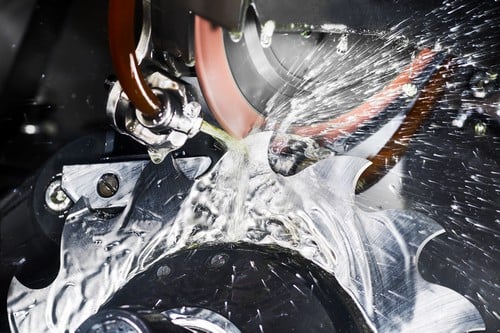
One reason to take coolant contamination seriously?
The costs related to cutting fluid account for approximately 17% of the cost of the finished workpiece, while the tool itself accounts for only 4%. (Source: PMC Journal)
This blog will show you how to detect coolant contamination early, maintain proper concentration, and keep your metalworking fluids performing at their best — especially in demanding environments that rely on diamond and CBN wheels.
Coolant Problems That Affect Grinding Machines and Performance
How Poor Coolant Management Impacts the Grinding Process and Surface Finish
Coolant plays a vital role in heat control, chip evacuation, and surface lubrication. If coolant becomes dirty, unstable, or improperly mixed, it can cause:
- Overheating of parts and wheels
- Rapid wear on wheel bonds and seals
- Chatter, burn marks, and poor surface finish
- Reduced cutting efficiency and increased downtime
For high-precision grinding machines, the condition of your coolant directly impacts the final product.
Effects of Coolant Contamination on Emulsion Quality and Machine Seals
Coolants — especially synthetic or semi-synthetic emulsions — rely on a stable mix of water, oils, and additives. When contaminated, emulsions can separate, foam excessively, or become corrosive, leading to:
- Damage to pumps and lines
- Degradation of machine seals and internal components
- Sludge buildup that clogs filtration systems and paths
Root Causes of Contamination in Metalworking Fluids
Emulsified Tramp Oil, Dispersed Oil, and Free-Floating Layers in the Coolant Sump
One of the most common sources of coolant contamination in grinding machines is tramp oil. It enters the system through:
- Hydraulic leaks
- Way lubrication oil
- Tool and part transfer
Tramp oil can form a visible layer on the coolant surface, but it also emulsifies into the fluid, leading to foul odors, reduced cooling performance, and microbial growth.
Bacteria, Fines, and Dense Sludge That Form at the Bottom of the Sump
Coolant that sits too long without proper fluid maintenance can harbor bacteria and accumulate metal fines. This results in:
- Thick, foul-smelling sludge in the sump
- Loss of coolant flow and filter clogging
- Reduced tool life and surface finish issues
Sludge also promotes corrosion, which can damage machine internals and lead to expensive repairs.
Water Quality Issues and How Minerals Disrupt Coolant Emulsion Stability
Hard water or high mineral content in your water supply can destabilize metalworking fluids. Effects include:
- Droplet separation in emulsions
- Scum or scale buildup in coolant lines
- Reduced lubrication and cooling efficiency
If water quality is poor, even a well-formulated coolant can underperform.
Monitoring Coolant Concentration and Detecting Fluid Contamination
How to Measure the Concentration with a Refractometer and Monitor Brix Levels
Use a refractometer to check coolant concentration regularly. To ensure accuracy:
- Calibrate your refractometer
- Clean the lens and place a drop of coolant on it
- Read the Brix value and multiply by the coolant’s refractometer factor
- Compare to the target range from your manufacturer
Maintaining consistent coolant concentration ensures proper lubrication, cooling, and pH control.
Identifying Contamination Through pH, Rancid Odors, Foam, and Corrosion
Signs your coolant is contaminated include:
- Sour, musty, or rotten smells (bacterial activity)
- Heavy foam during operation (emulsion breakdown)
- Corrosion on machine parts or toolholders
- Low or unstable pH readings
These are red flags that your fluid system needs attention.
What to Look for in the Coolant Sump, Including Rust, Residue, and Seal Damage
Regularly inspect the coolant tank and sump for:
- Rust-colored residue
- Floating oil slicks
- Gray or black sludge at the bottom
- Cracked or swollen machine seals
A visual inspection can reveal contamination before it leads to serious damage in your grinding machines.
Fluid Maintenance and System Controls to Prevent Coolant Problems
Removing Tramp Oil and Fines Using a Shop Vacuum, Skimmers, or Absorbing It with an Oil Mat
Clean your system using:
- Oil skimmers or absorbent pads
- Sump vacuums to remove sludge and fines
- Magnetic strainers and/or bag filters for continuous filtration
This reduces bacterial growth and extends coolant life.
Performing Regular Maintenance and Proper Fluid Control to Prevent Filtration Issues
Implement a fluid maintenance schedule that includes:
- Weekly concentration checks
- Monthly sump inspections
- Scheduled coolant changes and filter replacements
- Equipment flushing to remove residue and prevent buildup
Good maintenance = fewer surprises and better machine performance.
Coolant Mixing Tips, Full System Clean-Outs, and the Use of Reverse Osmosis or Deionized Water
Always add coolant concentrate to water — not the other way around
- Use RO or DI water to avoid mineral-based emulsion breakdown
- Fully clean and flush your coolant system at a minimum of every 6–12 months
- “Disinfect” the sump to kill bacteria and reset the system
These practices improve longevity and protect your metalworking fluids investment.
Choosing the Right Coolant for Your Grinding Machines and Metalworking Fluids
Selecting Grinding Fluids to Protect Emulsions and Prevent Rust
The best coolants for grinding machines offer:
- Stable emulsions over a wide temperature range
- Rust inhibitors for sensitive surfaces
- Compatibility with high-speed, high-pressure delivery systems
- Resistance to biological degradation
Choose a coolant designed specifically for use with diamond or CBN wheels for best performance.
Talk to Eagle Superabrasives for Help Choosing the Right Coolant for Your Grinding Process
At Eagle Superabrasives, we understand how coolant and grinding wheels work together. Our team can help you:
- Select a coolant compatible with your wheel bond and material
- Solve contamination issues that affect finish quality
- Improve coolant system life and reduce waste
For help troubleshooting or selecting the right coolant for your diamond or CBN grinding process, reach out to the experts at Eagle Superabrasives — where fluid and wheel performance go hand in hand.
Frequently Asked Questions
What are the signs of coolant contamination in grinding machines?
Common signs include a foul or sour smell, visible oil mat or film on the coolant surface, cloudy or milky fluid indicating dispersed tramp oil, increased settling of fines that form a dense sludge, and poor surface finish on parts. You may also notice increased bacterial growth, skin irritation for operators, and reduced machine performance that shortens tool life.
How do I test and confirm the emulsion quality of the fluid?
Simple bench tests include the water-break test, pH measurement, refractometer readings for concentration, and microscopic inspection for tramp oil and fines. For a more complete assessment, send samples to a lab to measure bacterial contamination, oil coalescence, and whether Whamex causes free and dispersed oil to be present.
What immediate steps should be taken when contamination is detected?
Stop adding new parts until you stabilize the fluid, perform a chip conveyor and filter system check, skim or coalesce oil to remove surface tramp oil, and consider a partial or full system clean-out if contamination is severe. As a temporary remedy, efficient methods include absorbing oil with pads and using centrifugal or coalescing separators before a full system clean-out is scheduled.
How does coolant contamination affect machining performance and finished parts?
Contaminated coolant can shorten tool life, impair coolant’s ability to perform at its best, increase thermal and chemical wear, and cause poor desired surface finish due to inadequate lubrication and cooling. It can also increase evaporation and promote fines that form a dense layer on parts, leading to dimensional inaccuracy.
What maintenance schedule helps prevent coolant problems?
Implement routine monitoring of concentration and pH, daily skimming of tramp oil, weekly checks of filter system performance and chip conveyor operation, and scheduled full system clean-outs based on usage and contamination trends. Training operators to report smells, skin irritation, or visible oil mats early will also reduce the life-cycle cost of fluids and prevent larger failures.
Do I need help choosing the right coolant and additives for my grinding machines?
If you’re unsure, consult suppliers who can test your fluid and recommend products tailored to the metalworking process, including compatible tapping fluids or lubricants for the job. A good supplier will advise on the fluid’s concentration, filtration, and whether using it before a full system replacement is viable or replacement is required.