

When it comes to high-precision grinding, few things matter more than achieving the perfect surface finish. Whether you're producing tight-tolerance components or precision tools, any inconsistencies on the workpiece surface can compromise quality, lead to rework, or cause outright scrap. While most grinding professionals focus on standard abrasive or diamond wheels, machine setup, or feeds and speeds, proper coolant management is the only way to ensure long-term accuracy, as it plays a critical role in surface finish quality.
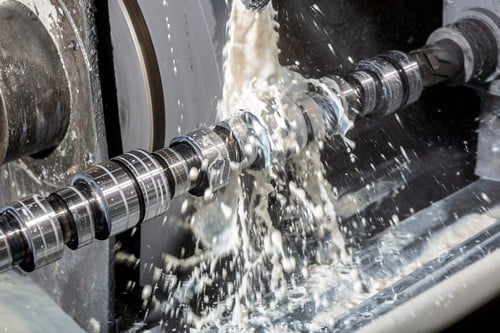
In fact, according to United Grinding, coolant-related issues are one of the top five causes of poor surface finish in grinding.
In this article, we’ll walk through how to identify coolant-related finish problems, how grinding coolant affects the entire process, and how Eagle Superabrasives can help you maintain consistent results with the right combination of wheels, fluids, and support.
Why Coolant Problems Lead to Surface Finish Issues in Precision Grinding
Your grinding coolant does more than just keep the process cool — it directly affects the texture, smoothness, and accuracy of your finished parts. In precision grinding with diamond and CBN grinding wheels, even minor variations in coolant delivery or condition can cause visible and measurable damage to the surface finish.
If your coolant system is delivering too little pressure, misaligned at the nozzle, or contaminated with swarf or tramp oil, you're likely to see problems in both performance and finish quality.
The Critical Role of Coolant in Diamond and CBN Grinding Operations
Superabrasive wheels like diamond and CBN are designed for high-efficiency stock removal, tight tolerances and consistent performance — but they require proper cooling and chip removal to function optimally. Without the right grinding coolant, you may experience:
- Excessive heat buildup
- Wheel glazing and loading
- Poor chip evacuation
- Uneven pressure at the grinding zone
Each of these factors can cause visible surface flaws and reduce the effectiveness of your grinding wheels. Coolant becomes even more important as part tolerances tighten and surface specifications become more demanding.
Common Surface Finish Issues Caused by Coolant Problems
Burn Marks and Discoloration from Excessive Heat
If grinding coolant isn’t applied properly, heat generated during the grind can damage the surface. Symptoms include:
- Burn marks or blue heat tints
- Softened or micro-cracked material
- Surface hardening or metallurgical changes
This not only affects appearance but also undermines the structural quality of the component.
Rough or Inconsistent Surface Finish Due to Coolant Contamination
Contaminated coolant is one of the most common causes of poor surface finish. When the coolant fluid contains tramp oil, bacterial growth, or suspended solids, it loses its lubricating and cooling properties. The result?
- Rough finishes
- Drag lines or streaks
- Inconsistent finish across the workpiece
Wheel Loading and Glazing from Poor Chip Evacuation
Without enough flow or pressure from the grinding coolant, chips can become trapped in the wheel’s cutting face. This leads to:
- Wheel glazing (a shiny, dull wheel surface)
- Reduced cutting efficiency
- Scratchy or uneven surface finishes
Chatter or Vibration Marks from Coolant Misalignment
If coolant is not directed into the grinding zone properly, it can disrupt the coolant flow, creating inconsistent cutting forces, resulting in:
- Chatter marks
- Waviness or harmonic patterns
- Repetitive finish defects across the part surface
Diagnosing Coolant-Related Problems in Grinding Operations
Visual and Physical Indicators of Coolant Issues
Spotting a coolant-related finish issue usually starts with a visual inspection of the part. Look for:
- Discoloration or burn lines
- Patchy surface texture
- Visible residues or buildup
- Unusual coolant color, odor, or foaming in the sump
These symptoms often point to deeper problems within the grinding coolant system.
Checking Coolant Delivery and Nozzle Alignment for Optimal Performance
Your nozzles should direct coolant at the point of contact between the grinding wheels and the workpiece. Evaluate:
- Are nozzles aimed at the exact grinding zone?
- Is flow rate sufficient for your wheel speed and material?
- Are lines or filters clogged, reducing pressure?
Improper delivery leads to uneven heat distribution and poor chip removal — both of which damage surface finish.
Evaluating Coolant Type, Compatibility, and Contamination Risk
Make sure the grinding coolant you're using is:
- Compatible with your wheel bond (resin, metal, vitrified)
- Designed for your material (e.g., hardened steel, carbide, ceramics)
- Resistant to thermal breakdown and microbial growth
Selection of the wrong fluid can degrade performance, shorten wheel life, and cause finish variations.
Best Practices for Preventing Coolant-Related Finish Problems
Coolant Maintenance and Filtration for Longevity and Cost-Effectiveness
Regular maintenance is critical. Keep your coolant fluid clean and stable by:
- Filtering out swarf and debris
- Removing tramp oil
- Monitoring pH and concentration
- Replacing coolant at manufacturer-recommended intervals
Clean coolant is a cost-effective way to extend the life of your grinding wheels and improve surface finish consistency.
Optimizing Coolant Flow and Application to Achieve Consistent Results
The right grinding coolant setup includes:
- Steady, straight flow across the entire wheel face
- Correct nozzle angle and distance
- Flow rate matched to wheel speed and part geometry
Fine-tuning these variables dramatically improves cooling and finish control.
Monitoring Machine Condition and Alignment for Stable Operation
Even the best coolant system can’t compensate for machine issues. Regularly check:
- Spindle alignment
- Bearings and vibration
- Dressing consistency
Stable mechanical performance supports both coolant delivery and surface finish results.
The Overlooked Impact of Coolant on Surface Finish and Grinding Efficiency
Coolant isn’t just a support system — it’s an active part of your grinding strategy. Poor grinding coolant management doesn’t just affect surface finish, it can:
- Reduce wheel life
- Increase heat damage
- Slow down material removal
- Cause rework or scrap rates to rise
Investing in the right coolant strategy can improve efficiency and quality across your entire grinding line.
How Eagle Superabrasives' Coolants Help Prevent Poor Surface Finishes
Eagle Superabrasives doesn’t just provide precision grinding wheels — we also support your entire grinding process, including coolant optimization. Our team can:
- Recommend coolant formulations matched to wheel bond and material
- Help you troubleshoot delivery and contamination issues
- Design complete grinding systems for peak surface finish results
Our goal is to help you get the best performance from your grinding wheels by supporting every aspect of the process — including the often-overlooked grinding coolant. Contact us today to get started.
Conclusion
If your surface finish quality is inconsistent, scratched, burned, or rough, don’t overlook your grinding coolant system. In many operations, it's the silent contributor to both productivity and part quality — or the hidden cause of finish failures.
By maintaining clean, properly delivered coolant, and matching it to your application and grinding wheels, you can:
- Achieve better surface consistency
- Extend wheel and machine life
- Reduce scrap and downtime
Eagle Superabrasives is here to support your precision grinding success — from wheel design to coolant performance.
Frequently Asked Questions
What are the common coolant-related causes of poor surface finishes in diamond and CBN grinding?
Diagnosing poor surface finishes caused by coolant issues in diamond and CBN grinding starts with understanding coolant contamination, insufficient flow, and improper concentration. Contaminated coolant or coolant that fails to prevent contamination can lead to abrasive particle buildup, increased friction, and heat generation that compromise their performance. Frequent coolant breakdown or emulsifier depletion can cause overheat, accelerating wheel wear and tool deterioration and significantly lowering optimal grinding performance.
How can I tell if coolant contamination is the culprit versus wheel wear or abrasive damage?
Inspect the workpiece, tool, and coolant. Contamination often presents as streaks, embedded debris, or a film on the surface while worn or damaged wheels show glazing, loading, or change in friability. Measure coolant concentration and check for tramp oil, chips, or microbial growth. Understanding these signs helps you choose corrective actions—filtering, replacing coolant, or changing the wheel—to ensure optimal performance and tool longevity.
What maintenance practices prevent coolant issues that cause surface finish problems?
Frequent monitoring and preventive maintenance are crucial. Implement filtration to prevent contamination, maintain proper concentration to avoid insufficient lubrication, and schedule regular coolant replacement to reduce microbial or chemical breakdown. Proper lubrication and the right flow rate reduce friction and heat generation, enhancing tool longevity and ensuring optimal grinding performance. These steps also meet safety requirements by lowering the risk of overheat and compromise-related failures.
When should I replace the wheel versus adjusting the coolant to fix finish defects?
Replace the wheel when inspection shows significant wheel wear, glazing, fracture, or when dressing fails to restore profile and finish. If the wheel appears in good condition but finishes are poor, address coolant issues first—check flow, concentration, contamination, and filtration. Choosing the correct action requires understanding the specific cause of failure; improper diagnosis and delays can compromise their performance and lead to more frequent failures.