

In high-precision grinding applications—especially those using diamond and CBN wheels—the accuracy of your coolant mixing directly impacts tool life, surface finish, and machine reliability. Despite being a critical variable, coolant is often misunderstood, neglected, or incorrectly prepared, resulting in excess wear, contamination, or even costly machine downtime.
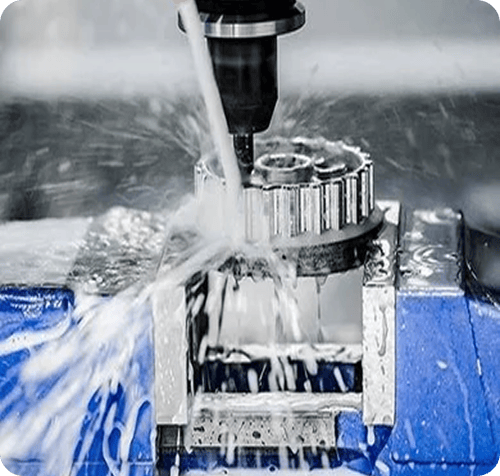
This guide is designed for engineers and operations managers who want to ensure their coolant system supports optimal grinding performance. From mastering the “water first” rule to choosing between synthetic, semi-synthetic, or oil based coolant, we’ll walk you through proper mixing procedures, maintenance protocols, and delivery optimization strategies that result in cleaner cuts, reduced tool wear, and higher productivity.
Why Proper Coolant Mixing is Critical for CNC Grinding Performance
Grinding is a heat-intensive process. Without the right coolant—properly mixed and maintained—grinding wheels can burn workpieces, clog with swarf, and wear prematurely. Improper coolant mixing also leads to bacterial growth, poor lubricity, rust formation, and an inconsistent concentration that destabilizes your entire grinding process.
Coolant serves three vital roles:
- Cooling the interface between wheel and workpiece
- Lubricating to reduce friction and tool wear
- Flushing chips away from the grinding zone
If coolant is too rich (over-concentrated), it can cause residue buildup and reduce cooling efficiency. If too lean, it loses lubricity and rust inhibitors—leading to corrosion, shorter wheel life, and poor surface finish.
“Proper coolant maintenance can extend tool life by 20–40% and reduce scrap, saving thousands in consumables and rework.”
Source: Motor City Repair
Step-by-Step Guide to Best Coolant Mixing Procedures
The "Water First" Rule and Why it Matters
The most fundamental rule in coolant mixing: always add coolant concentrate to water — never the other way around.
Adding water to concentrate can cause the oil and additives to separate, resulting in unstable emulsion and reduced cooling performance. Improper mixing leads to foaming, poor wetting action, and shortened coolant life.
Best practice: use a venturi-style proportioner or automatic mixer to ensure consistent ratios and proper emulsion stability.
Selecting the Right Water Source
Water quality directly affects coolant performance. Hard water (high in calcium and magnesium) can cause soap scum-like deposits that clog lines, degrade lubricity, and damage pumps.
Ideal water parameters for mixing coolant:
- Hardness: 80–125 ppm (moderate)
- pH: Neutral (6.5–8.5)
- Chloride levels: < 50 ppm
If your facility uses well water or has known water hardness issues, consider using deionized (DI) or reverse osmosis (RO) water to prevent residue buildup in your grinding system.
Accurate Concentration Measurement with a Refractometer
To maintain coolant within manufacturer-specified ranges, use a handheld refractometer to measure concentration.
How to use it:
- Calibrate the refractometer first.
- Clean the prism.
- Place a drop of coolant on the prism.
- Close the cover and look through the eyepiece.
- Multiply the Brix reading by the coolant’s refractometer factor (usually 1.0–2.0 depending on the brand).
Typical recommended concentration ranges:
- Synthetic coolants: 4–6%
- Semi-synthetic: 5–8%
- Oil based coolant: 7–10%
Check concentration daily, especially in high-evaporation environments.
Choosing the Right Coolant Type for Diamond and CBN Wheels
Not all coolants are created equal. Your choice of coolant chemistry must align with your grinding operation—particularly when working with superabrasive wheels like diamond or CBN.
Synthetic and Semi-Synthetic Coolants
- Synthetic coolants contain no mineral oil and are fully chemical-based. They provide excellent heat dissipation and are often recommended for diamond wheel grinding and carbide applications.
- Semi-synthetics offer a balance of lubrication and cooling, with a small amount of oil suspended in a water base. They're ideal for general-purpose grinding where moderate lubrication is needed.
Advantages:
- Clean running
- Low residue
- Excellent chip flushing
- Better visibility at the wheel-workpiece interface
Oil-Based Coolants
CBN grinding—especially on hardened steels—requires lubricity and thermal control. Oil based coolant is the go-to solution for such applications, offering unmatched tool life and surface finish quality.
These straight oils or emulsifiable oils are designed for heavy-duty metal removal and high-feed rate processes.
Advantages:
- Superior lubricity
- Extended wheel life for CBN tools
- Excellent for form grinding and plunge operations
Note: They do require more maintenance and better mist/fume extraction systems.
Understanding the Chemical Differences Between Coolants
|
Coolant Type |
Oil Content |
Lubricity |
Cooling Ability |
Residue |
Best For |
|
Synthetic |
0% |
Low |
Excellent |
Low |
Diamond / Carbide |
|
Semi-Synthetic |
5–20% |
Moderate |
Very Good |
Moderate |
General grinding |
|
Oil-Based |
80–100% |
High |
Poor–Moderate |
High |
CBN on hardened steel |
Essential Coolant Maintenance to Extend Superabrasive Tool Life
Even the best coolant is useless if it’s not maintained. Dirty, diluted, or bacteria-infested coolant not only damages your tools—it can ruin your workpieces and foul your machine.
Daily and Weekly Coolant Maintenance Tasks
Daily Tasks:
- Measure and log coolant concentration
- Check coolant level in the sump
- Remove floating tramp oil
Weekly Tasks:
- Inspect filters and screens
- Top off with pre-mixed coolant
- Skim oil and debris from tanks
Keeping the Coolant System Clean (Sump and Filter)
Sludge buildup in the sump leads to coolant breakdown, bacteria, and foul odors. Make sure to:
- Clean sump tanks every 4–6 weeks (or as needed)
- Replace or clean inline filters and magnetic separators
- Use skimmers to remove floating tramp oil
Preventing and Addressing Coolant Contamination
Common contamination sources include:
- Hydraulic and way lube oil leaking into the coolant
- Metal fines not captured by filtration
- Bacterial growth from warm, stagnant coolant
Preventive Tips:
- Install tramp oil separators
- Keep machines covered when not in use
- Avoid using household cleaners in the coolant tank (they break down the emulsion)
Optimizing Coolant Delivery and Nozzle Setup for Grinding
Proper coolant delivery plays a vital role in wheel performance. It ensures efficient cooling, minimizes friction, and improves part quality.
Coolant Delivery and Flow
The coolant should hit the grinding zone at the correct velocity and angle to form a stable boundary layer.
Best Practices:
- Match nozzle flow to wheel speed and diameter
- Use laminar flow nozzles (not mist or spray)
- Position nozzle within 1/4" of the contact point
System Design and Management
Effective systems include:
- Filtration down to 5–10 microns (especially for superabrasives)
- Reliable circulation pumps
- Clean, accessible sumps and tanks
Automated systems with proportional mixers, tramp oil removal, and pH monitoring offer long-term consistency with reduced manual oversight.
Mastering Coolant Mixing for Grinding Success
Whether you're grinding carbide with diamond wheels or hardened steel with CBN, coolant mixing is not optional—it’s a core process variable.
By following:
- The "water first" rule
- Choosing the right coolant chemistry
- Monitoring with a refractometer
- Performing regular maintenance
You can dramatically reduce wheel wear, improve surface finish, and cut operational costs.
When coolant is properly mixed, maintained, and delivered, you protect your investment in expensive precision grinding tools—and maximize the quality and consistency of every part you produce.
Need Help with Coolant or Grinding Optimization?
Eagle Superabrasives not only manufactures industry-leading diamond and CBN wheels—we also help customers implement optimized coolant systems that extend tool life and improve grinding performance. Contact us today for expert support.