

Silicon carbide wafers are valuable, brittle, and difficult to cut without defects. As SiC demand grows in power electronics, electric vehicles, aerospace systems, and high-frequency devices, manufacturers need dicing processes that protect yield while maintaining tight tolerances.
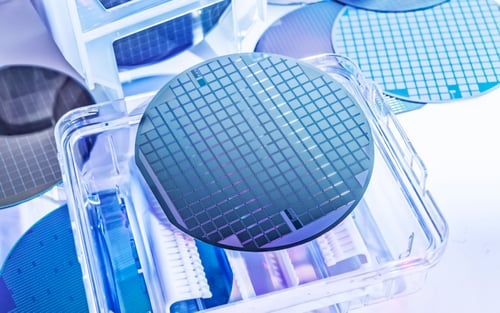
Ultra-thin diamond dicing blades play a critical role by reducing kerf loss, controlling edge chipping, and supporting stable high-precision cuts. So in this article, we’ll explain why SiC wafer dicing is so demanding and how the right diamond blade design can improve quality, consistency, and production efficiency.
Why Silicon Carbide (SiC) Wafer Dicing Requires Specialized Diamond Blades
Silicon carbide (SiC) has become one of the most important materials in modern semiconductor manufacturing. As industries continue demanding higher power density, improved thermal performance, and greater energy efficiency, SiC devices are increasingly used in electric vehicles, aerospace systems, industrial drives, renewable energy systems, and high-frequency electronics.
However, the same properties that make silicon carbide valuable also make it extremely difficult to process. Precision dicing of SiC wafers requires highly engineered diamond dicing blades capable of maintaining dimensional accuracy, minimizing edge damage, and reducing material loss during ultra-thin cutting operations.
The Growing Demand for SiC Power Devices
Silicon carbide is widely used in advanced power semiconductor devices because it offers significant advantages over traditional silicon materials, including:
- Higher thermal conductivity
- Higher breakdown voltage
- Improved switching efficiency
- Better high-temperature performance
- Reduced power loss
As demand for SiC devices increases, manufacturers face growing pressure to improve wafer yield, reduce defects, and maintain consistent dicing performance across high-volume production environments.
Why Silicon Carbide Is Difficult to Dice
Silicon carbide is one of the hardest semiconductor materials currently used in wafer manufacturing. Its extreme hardness and brittle nature create substantial challenges during precision dicing operations.
Common difficulties include:
- High blade wear
- Edge chipping
- Microcracking
- Heat generation
- Subsurface damage
- Kerf loss
- Blade deflection
Ultra-thin wafer geometries make these challenges even more difficult because smaller cutting zones leave very little margin for vibration, instability, or thermal damage.
Challenges of Ultra-Thin Wafer Dicing
As wafer thickness decreases, maintaining process stability becomes increasingly important. Ultra-thin SiC wafers are more susceptible to:
- Cracking
- Die breakout
- Cut wander
- Residual stress
- Vibration-induced damage
Even minor instability during the dicing process can reduce yield and negatively impact device reliability.
Why Diamond Dicing Blades Are Essential for SiC Processing
Conventional abrasive tools are generally unable to maintain acceptable cutting performance when processing silicon carbide wafers. Diamond dicing blades provide the hardness, wear resistance, and cutting precision required to machine SiC effectively.
Properly engineered diamond dicing blades help manufacturers:
- Reduce chipping
- Improve edge quality
- Extend blade life
- Minimize kerf loss
- Improve dimensional consistency
- Maintain tighter tolerances
- Increase production yield
Understanding Precision SiC Wafer Dicing Processes
Precision wafer dicing is a highly controlled material separation process used to singulate wafers into individual dies or components.
Difference Between Wafering, Dicing, and Precision Sawing
Although these terms are sometimes used interchangeably, they refer to different manufacturing operations.
- Wafering typically refers to slicing raw ingots into wafers.
- Dicing refers to separating finished wafers into individual dies or components.
- Precision sawing is a broader term that may include wafering, dicing, slotting, and other ultra-precise cutting operations.
In silicon carbide processing, dicing operations demand extremely tight control over blade stability, kerf width, and edge integrity.
Common SiC Wafer Configurations and Thicknesses
SiC wafers are available in multiple diameters and thicknesses depending on device requirements and manufacturing processes.
Common wafer characteristics include:
- Thin and ultra-thin wafers
- High-value substrates
- Multi-layer device structures
- Tight dimensional tolerances
- Fragile edge geometries
As wafers become thinner, the dicing process becomes more sensitive to vibration, cutting force, and thermal effects.
Diamond Dicing Blade Technologies for SiC Processing
Several blade technologies are used in SiC wafer processing, including:
- Ultra-thin peripheral dicing blades
- Hub blades
- Resin bond diamond blades
- Metal bond diamond blades
Blade selection depends on factors such as:
- Wafer thickness
- Cut depth
- Feed rate
- Surface quality requirements
- Production throughput
- Desired blade life
How Ultra-Thin Diamond Dicing Blades Work
Ultra-thin diamond dicing blades remove material using exposed diamond abrasive particles bonded to a thin cutting structure. During the cutting process, the diamond particles fracture and remove material from the wafer surface while coolant helps control heat and debris.
Blade thickness, bond structure, diamond concentration, and grit size all influence cutting performance and final edge quality.
Why Silicon Carbide Creates Unique Dicing Challenges
SiC requires more control than many conventional wafer materials because it combines extreme hardness with brittle fracture behavior. Understanding these material challenges helps explain why blade design, coolant delivery, and process stability are so important.
Extreme Hardness and Abrasiveness of SiC
Silicon carbide is extremely hard and abrasive compared to conventional semiconductor materials. This accelerates blade wear and increases cutting forces during dicing operations.
Improper blade selection can result in:
- Rapid blade degradation
- Poor cut quality
- Increased chipping
- Reduced process stability
Brittle Fracture and Edge Chipping Risks
SiC wafers are highly susceptible to brittle fracture during cutting. Excessive force, vibration, or thermal stress can create:
- Edge chipping
- Corner breakout
- Surface fractures
- Die damage
Maintaining stable cutting conditions is essential for minimizing these defects.
Heat Generation, Residual Stress, and Subsurface Damage
Heat generation during dicing can create residual stress and subsurface damage within the wafer material. Excessive temperatures may lead to:
- Microcracking
- Thermal damage
- Reduced die strength
- Delamination
- Surface integrity issues
Cool cutting action and efficient coolant delivery are critical for protecting wafer quality.
Kerf Loss and Material Waste in High-Value SiC Wafers
Silicon carbide wafers are expensive to manufacture, making material yield extremely important.
Excessive kerf width increases material waste and reduces the number of usable dies per wafer. Ultra-thin dicing blades help minimize kerf loss while improving overall production efficiency.
Maintaining Die Strength and Edge Integrity
Die edge quality directly impacts device reliability and long-term performance. Poor edge quality can reduce die strength and increase the likelihood of failure during packaging or operation.
Optimized blade specifications help improve:
- Edge smoothness
- Surface integrity
- Dimensional consistency
- Die strength
Critical Blade Design Factors for Precision SiC Dicing
Grit size, bond type, diamond concentration, and blade stability all affect cut quality, blade life, and yield.
Selecting the Right Diamond Grit Size
Diamond grit size plays a major role in balancing cutting efficiency and surface quality.
Coarser grit sizes may:
- Increase material removal rates
- Improve cutting aggression
- Reduce cycle times
Finer grit sizes typically:
- Improve edge quality
- Reduce chipping
- Produce smoother surfaces
- Minimize subsurface damage
Selecting the correct grit size depends on wafer thickness, cut quality requirements, and production goals.
Bond Type Selection for SiC Dicing Applications
Bond systems influence blade wear, cutting performance, and process stability.
Resin Bond Diamond Dicing Blades
Resin bond blades are commonly used in precision dicing because they provide:
- Free cutting action
- Reduced heat generation
- Good edge quality
- Lower cutting forces
These blades are often preferred for ultra-thin and high-precision applications.
Metal Bond Diamond Blades for Specialized Applications
Metal bond blades provide:
- Strong diamond retention
- Extended blade life
- Improved dimensional stability
These blades may be used in specialized applications requiring aggressive cutting or extended production runs.
Balancing Blade Life, Cut Quality, and Process Stability
Optimizing blade performance requires balancing multiple variables simultaneously. Aggressive blade specifications may improve throughput but increase chipping or reduce edge quality.
An application-specific blade design helps optimize:
- Blade life
- Surface quality
- Process consistency
- Throughput
- Yield
Blade Thickness and Kerf Width Optimization
Blade thickness directly influences kerf width, cutting force, and material waste.
Ultra-thin blades help:
- Reduce kerf loss
- Improve yield
- Minimize cutting resistance
However, thinner blades also require improved machine stability and tighter process control.
Blade Concentration and Diamond Exposure
Diamond concentration affects:
- Blade wear rate
- Cutting efficiency
- Surface quality
- Heat generation
Maintaining proper diamond exposure is essential for stable cutting performance throughout the blade life cycle.
Blade Core Stability and Vibration Control
Blade vibration can significantly reduce dicing quality. Instability during cutting may cause:
- Cut wander
- Edge chipping
- Blade deflection
- Surface damage
Blade core design and machine rigidity both play important roles in maintaining process stability.
Balancing Cutting Performance and Blade Wear
Improving throughput should not come at the expense of excessive blade wear or reduced edge quality. Proper blade engineering helps balance:
- Productivity
- Blade life
- Surface finish
- Dimensional accuracy
Optimizing Dicing Parameters for Silicon Carbide Wafers
Even the right blade can underperform if the cutting parameters are not properly controlled. Spindle speed, feed rate, coolant flow, and machine stability must work together to reduce stress on the wafer.
Spindle Speed and Feed Rate Optimization
Spindle speed and feed rate strongly influence cutting performance, heat generation, and blade wear.
Improper settings can result in:
- Chipping
- Excessive wear
- Thermal damage
- Poor dimensional control
Optimized cutting parameters help maintain stable cutting conditions and improve overall yield.
Managing Cutting Forces and Material Removal
Reducing excessive cutting forces helps minimize wafer stress and improve edge quality.
Factors influencing cutting force include:
- Blade thickness
- Grit size
- Feed rate
- Spindle speed
- Bond structure
Minimizing Blade Deflection During Ultra-Thin Cuts
Ultra-thin blades are more susceptible to deflection during cutting operations. Excessive deflection can create:
- Cut wander
- Dimensional variation
- Poor edge quality
Stable spindle systems and optimized process parameters help minimize blade movement.
Coolant Delivery and Heat Management
Proper coolant delivery is essential for:
- Reducing heat generation
- Flushing debris
- Extending blade life
- Maintaining surface integrity
Inadequate coolant flow can rapidly degrade cutting performance.
Coolant Filtration and Contamination Control
Poor coolant filtration can allow abrasive debris and contaminants to circulate through the cutting zone, increasing wear and reducing process stability.
Proper filtration systems help improve:
- Blade life
- Surface quality
- Process consistency
- Cooling efficiency
Blade Conditioning and Maintaining Cutting Performance
Over time, blade performance may degrade due to wear and debris accumulation. Proper blade conditioning helps maintain:
- Consistent cutting action
- Stable cutting forces
- Improved edge quality
- Reduced chipping
Machine Stability and Spindle Precision in Ultra-Thin Dicing
Machine rigidity and spindle precision are critical in ultra-thin wafer dicing applications. Even minor machine vibration or spindle runout can negatively affect:
- Cut accuracy
- Surface finish
- Edge quality
- Blade life
Common Problems in SiC Wafer Dicing (And How to Solve Them)
Most dicing problems are caused by a combination of blade wear, unstable cutting conditions, heat buildup, or excessive force. Identifying the root cause helps manufacturers correct defects without sacrificing throughput.
Edge Chipping and Corner Breakout
Edge chipping is one of the most common dicing defects in silicon carbide wafers. Solutions may include:
- Using finer grit blades
- Reducing feed rates
- Improving coolant delivery
- Optimizing spindle speed
Debris Accumulation and Reduced Cutting Efficiency
Debris buildup in the cutting zone can reduce cutting performance and increase heat generation. Proper coolant flow and blade design help improve swarf evacuation.
Excessive Blade Wear and Premature Failure
Rapid blade wear may result from:
- Incorrect bond selection
- Excessive cutting force
- Poor coolant delivery
- Improper process parameters
Application-specific blade engineering helps improve blade durability.
Wafer Cracking and Subsurface Damage
Excessive stress during dicing can cause wafer cracking and hidden subsurface damage that may affect device reliability.
Reducing vibration and controlling thermal conditions are essential for minimizing these defects.
Dimensional Inaccuracy and Cut Wander
Cut wander and dimensional variation are often caused by:
- Blade deflection
- Machine instability
- Excessive spindle runout
- Improper blade specifications
Stable cutting conditions are essential for maintaining tight tolerances.
Thermal Damage and Surface Integrity Issues
Excessive heat can reduce surface integrity and compromise die quality. Optimizing coolant strategy and blade design helps reduce thermal damage.
Achieving Better Surface Quality and Process Stability
Improving surface quality requires both a properly engineered blade and a stable process that limits vibration, heat, and variation.
Improving Cut Consistency Across Production Runs
Consistent blade performance helps manufacturers improve repeatability and reduce process variation.
Reducing Vibration and Maintaining Blade Stability
Reducing vibration improves:
- Edge quality
- Dimensional control
- Surface finish
- Blade life
Minimizing Kerf Loss and Maximizing Material Yield
Ultra-thin blades help maximize the number of usable dies produced from each wafer while reducing material waste.
Improving Die Strength Through Better Edge Quality
Improved edge quality helps reduce stress concentration points and improve long-term die reliability.
Maintaining Tight Tolerances in Semiconductor Applications
Semiconductor manufacturing requires extremely tight tolerances and consistent process control. Proper blade selection and optimized process parameters are essential for achieving these requirements.
Applications for Precision SiC Wafer Dicing
Ultra-thin diamond dicing blades are used across a wide range of advanced semiconductor applications.
Power Semiconductor Devices
SiC power devices often require clean die edges because edge damage can affect electrical performance and long-term reliability. Ultra-thin diamond dicing blades help reduce chipping and material loss when processing high-value SiC wafers.
Electric Vehicle Power Electronics
EV power modules depend on SiC components that can handle high current, fast switching, and demanding thermal conditions. Consistent dicing quality helps manufacturers protect wafer yield as production volumes increase.
High-Voltage and High-Temperature Electronics
SiC wafers used in high-voltage and high-temperature electronics must maintain strong edge integrity after dicing. Reducing microcracks and thermal damage helps prevent weak points that can lead to failure in harsh operating environments.
RF and Advanced Communication Devices
RF and communication devices often require tight dimensional control because small variations can affect device consistency. Stable ultra-thin dicing helps maintain clean cuts while limiting kerf loss on valuable SiC substrates.
Aerospace and Defense Electronics
Aerospace and defense applications place a high priority on reliability, especially where electronics are exposed to heat, vibration, or high power loads. Precision SiC wafer dicing supports stronger die quality by reducing edge defects before packaging and assembly.
Why Custom Diamond Dicing Blades Outperform Standard Blade Designs
Standard blade designs may work for general cutting, but SiC wafer processing often requires tighter control over edge quality, kerf width, and blade wear. Custom blade engineering allows the tool to match the wafer material, machine setup, and production goals.
Limitations of Generic Dicing Blades
Standard blade designs may not be optimized for:
- Specific SiC wafer structures
- Ultra-thin cutting requirements
- Heat control
- Edge quality
- Throughput goals
Benefits of Application-Specific Blade Engineering
Custom-engineered dicing blades can be optimized for:
- Wafer thickness
- Material properties
- Machine configuration
- Surface quality requirements
- Production volume
Matching Blade Design to SiC Wafer Properties
Different SiC wafers may require different blade structures, bond systems, and grit specifications depending on processing goals and device requirements.
Improving Yield, Throughput, and Cost Per Cut
Optimized blade design helps manufacturers improve:
- Production yield
- Blade life
- Throughput
- Process consistency
- Cost efficiency
Optimize Silicon Carbide Wafer Processing with Custom Diamond Dicing Blades from Eagle Superabrasives
Precision silicon carbide wafer processing requires highly engineered diamond dicing blades capable of maintaining tight tolerances, minimizing chipping, and improving overall yield.
Eagle Superabrasives specializes in custom-engineered diamond dicing blades designed for demanding semiconductor and advanced materials applications. By optimizing bond systems, grit size, blade thickness, and cutting performance for each application, Eagle Superabrasives helps manufacturers improve edge quality, reduce kerf loss, extend blade life, and maintain consistent process stability in high-precision SiC wafer dicing operations.
Looking to reduce chipping, kerf loss, or blade wear in SiC wafer dicing? Talk with our team about a custom diamond dicing blade designed for your process.