

The demand for modern electronics with higher processing power has led to the development of increasingly complex semiconductor devices. At the heart of this manufacturing process is the critical stage of wafer processing, where precise wafer separation is critical. Achieving this requires precision and durability that only specialized cutting tools can provide.
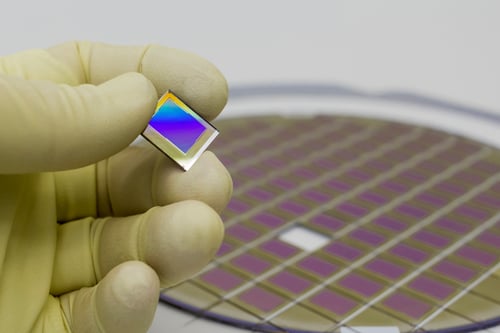
Diamond grinding wheels and saw blades have become the industry standard for cutting silicon wafers and other hard and brittle materials like silicon carbide and sapphire. However, the need for precision often clashes with the physical realities of the dicing process. High-speed operation can lead to subsurface damage or catastrophic blade wear, impacting the overall service life of your equipment.
To improve your cutting performance and reduce downtime, it helps to understand how the bond type and diamond grit work together. By optimizing the grinding process, manufacturers can achieve unmatched results in advanced packaging and wafer thinning applications. This guide explores how to balance these variables to ensure grinding performance remains high while protecting your most valuable components.
What Causes Diamond Wafer Dicing Blades to Break?
Diamond wafer dicing blades fail when mechanical stress exceeds the structural limits of the blade—most often due to vibration, improper bond, poor coolant delivery or unstable cutting parameters.
In semiconductor manufacturing, even minor imbalances at high spindle speeds can rapidly escalate into catastrophic failure. Preventing breakage requires controlling vibration, heat, and abrasive performance at the point of grind.
High Spindle Speeds in Semiconductor Manufacturing
Wafer dicing operates at extremely high spindle speeds to achieve precision cuts on fragile materials like silicon and ceramics. While these speeds improve throughput and surface quality, they also amplify mechanical instability.
At elevated RPMs:
- Small imbalances become significant forces
- Blade runout is magnified
- Vibration propagates through the spindle and blade
This creates a narrow operating window where stability must be maintained. Outside of that window, the blade begins to deflect, increasing the risk of fracture.
Maintaining a stable cutting environment is the first step toward extending the life of your wafer dicing blade and protecting your total yield.
Mechanical Causes of the Wafer Dicing Failure
Tool breakage is rarely caused by a single factor. Instead, it is the result of interacting mechanical forces acting on an ultra-thin structure.
Managing Vibration and Harmonics in a Diamond Tool
Every rotating system has natural frequencies. When spindle speed aligns with these frequencies, harmonic vibration occurs.
In wafer dicing:
- Thin blades are highly susceptible to resonance
- Vibration reduces cutting precision
- Microfractures develop in the bond matrix
Over time, this leads to instability and eventual blade failure.
Preventing Blade Wandering on a Thin Substrate
Blade wandering occurs when lateral forces exceed the stiffness of the blade. Instead of maintaining a straight cut, the blade begins to “snake” across the wafer.
This instability:
- Increases kerf variation
- Damages fragile substrates
- Accelerates tool fatigue
Using Diamond Abrasives as a Mechanical Safety Net
Diamond abrasives are not just cutting elements—they are part of a dynamic system that stabilizes the cutting process.
When properly engineered:
- Diamond particles distribute cutting forces evenly
- The bond matrix supports structural integrity
- The blade maintains consistent exposure and sharpness
This combination acts as a mechanical safety net, protecting both the tool and the wafer.
Avoiding Glazing during Diamond Cutting
Abrasive glazing occurs when the bond holds diamond particles too tightly, preventing new cutting edges from being exposed.
This leads to:
- Increased friction
- Heat buildup
- Reduced cutting efficiency
Ultimately, glazing can cause the blade to overheat and fracture during operation.
Maintaining Diamond Exposure through Controlled Erosion
An effective bond must wear at a controlled rate to continuously expose fresh diamond particles.
This process:
- Maintains cutting sharpness
- Reduces cutting forces
- Prevents thermal overload
Eliminating tool breakage starts with the technical process of choosing the right diamond dicing blade for your specific material hardness and substrate thickness.
Thermal Stability in Dicing Blades
Heat is one of the primary drivers of blade failure in wafer dicing.
As temperatures rise:
- Bond materials soften or degrade
- Diamond retention weakens
- Thermal expansion introduces stress
In ceramic and silicon applications, poor heat dissipation can quickly lead to:
- Microcracking
- Blade deformation
- Sudden catastrophic failure
A properly engineered bond improves thermal conductivity and reduces localized heat buildup, stabilizing the cutting process.
Optimizing Parameters for Consistent Process Stability
Achieving stable wafer dicing requires aligning machine parameters with the physical limits of the blade.
Relationship Between Feed Rate and Blade Thickness
Feed rate must be matched to blade thickness and material hardness.
If feed rate is too high:
- Cutting forces increase
- Blade deflection occurs
- Risk of breakage rises
If feed rate is too low:
- Friction increases
- Heat builds up
- Bond glazing becomes more likely
The goal is to find the balance where:
- Material removal is efficient
- Blade wear is controlled
- Cutting forces remain stable
Grit Distribution and Surface Quality
Grit size and distribution directly impact:
- Surface finish
- Cutting efficiency
- Tool life
Fine grit:
- Improves surface quality
- Reduces chipping
- Requires precise bond support
Coarse grit:
- Increases removal rate
- Generates higher forces
- Requires stronger bond retention
Matching grit to the application is essential for maintaining both yield and blade integrity.
Transitioning from Generic Tools to Engineered Solutions
Generic diamond tools cannot account for the complexity of wafer dicing.
Each application varies by:
- Material hardness
- Wafer thickness
- Machine dynamics
- Required surface finish
An engineered solution considers:
- Bond chemistry
- Diamond concentration
- Grit size and distribution
- Operating parameters
This shift—from general-purpose tooling to application-specific design—is the only reliable way to eliminate recurring blade failure and yield loss.
Contact an Application Engineer for Wafer Dicing Troubleshooting
Wafer dicing is a high-precision process where small inefficiencies lead to significant losses.
If you are experiencing:
- Blade breakage
- Wandering cuts
- Excessive wear
- Yield loss
It’s time to move beyond trial-and-error adjustments.
Working with an application engineer allows you to:
- Identify root causes of failure
- Optimize bond and abrasive selection
- Align machine parameters with tool design
The result: longer blade life, improved process stability, and higher wafer yield.
Achieving Process Stability with High-Performance Tooling
In the competitive semiconductor industry, achieving extremely accurate cuts isn't just about the machine; it’s about the role of diamond abrasives and their interaction with the workpiece. Standard blades often struggle with grinding force fluctuations, leading to premature failure. Transitioning to a semiconductor wafer solution engineered for unmatched hardness and superior wear resistance ensures that your high-power applications remain stable. By selecting the right bond and grit for a variety of materials, you can minimize vibration and ensure process stability across every shift.
Optimize Your Production with Eagle Superabrasives
Don't let preventable tool breakage bottleneck your manufacturing process. Whether you are working with ultra-thin wafers or demanding optical components, the right technical partner makes the difference between yield loss and high precision success.
Ready to enhance your cutting performance?
Talk to an expert at Eagle Superabrasives today to find a custom-engineered solution for your dicing needs. Our engineers will help you balance cutting speed and feed rate to maximize your service life and achieve unmatched results.