

Surface grinding in the oilfield industry pushes wheels to their limits. The grinding process concentrates force and heat in a small contact zone, so controlling grinding temperature and grinding force is essential to protect surface integrity on the workpiece surface. The high hardness of downhole tools, pipes, and wear-resistant coatings creates extreme friction and heat at the contact point. If not managed, this heat causes burns, cracks, and structural damage that shortens part life.
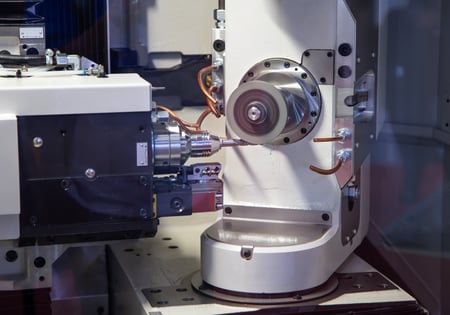
One proven way to prevent thermal damage when grinding is through correct wheel selection. Diamond wheels are known for their efficient stock removal and excellent heat conductivity, which helps reduce friction and limit heat transfer to the workpiece. When paired with the right coolant delivery system, these wheels maintain cooler grinding conditions and protect surface integrity, even in demanding oilfield applications.
How to Prevent Thermal Damage in Grinding Operations
Preventing burns and cracks when grinding oilfield components requires both the right grinding wheel and the right process. Below are three key points engineers should consider when addressing how to prevent thermal damage in grinding operations:
Thermal Damage Leads to Burns, Cracks, and Costly Failures
Thermal damage shows up as discoloration, micro‑cracking, or strength loss in oilfield components. Once it starts, parts can fail under load, which makes prevention critical.
Prevent Heat Buildup with the Right Wheel and Process Controls
Start with a wheel engineered for heat control. The right bond reduces friction, and removes heat at the point of grind, helping engineers manage heat effectively.
How Eagle’s Diamond Wheels Reduce Heat and Extend Oilfield Tool Life
Eagle’s Diamond wheels cut cooler, hold form longer, and resist glazing when used correctly. By matching wheel design to material hardness, shops avoid surface burns and extend both part and wheel life.
Together, these points highlight that preventing thermal damage is not a single action but a combination of careful choices. By identifying the problem, applying the right solution, and relying on Eagle’s manufacturing expertise, engineers create a controlled process that safeguards both wheel and component longevity.
Key Factors That Cause Grinding Heat Buildup
Several process variables combine to create unwanted heat and damage to the workpiece if unmanaged. Engineers who want to reduce grinding heat buildup should focus on these areas:
- Feed rate – Aggressive feeds raise machine load and can cause too much heat. Controlled feeds spread energy evenly and limit heat spikes while maintaining the desired material removal rate.
- Material hardness – Harder alloys resist cutting and generate more friction. Choosing a grinding bond suited for the workpiece, reduces thermal stress and helps keep the ground surface within desired finish tolerance.
- Bond system – Resin, vitrified, or metal bonds each respond differently to heat. Eagle engineers match bond type to operating conditions to keep temperatures manageable and balance removal rate with surface finish.
- Dressing frequency –A loaded grinding wheel increases friction, which accelerates heating. Maintaining wheel dressing restores aggressiveness and helps keep surfaces cool by reducing cutting load.
- Coolant flow – Poor or uneven coolant delivery reduces effectiveness and increases the risk of thermal damage. This makes grinding wheel coolants a critical part of the process because fluid temperature, quantity of lubrication, and nozzle placement all influence thermal control.
By addressing these variables, teams can significantly reduce grinding heat buildup and safeguard part integrity.
Why Wheel Dressing Is Essential for Better Cooling
Wheel dressing limits heat three different ways: by restoring cutting ability, opening the wheel face to coolant, and by keeping the grind consistent. When these are tuned together, engineers reduce grinding heat buildup and prevent thermal damage without slowing throughput.
- Cutting ability. Fresh, micro‑fractured abrasive grain cuts instead of rubs, which lowers grinding load and supports better chip removal. If the wheel bond is designed correctly, this happens automatically, but sometimes, dressing is still needed to prevent wheels from loading.
- Coolant access. Dressing can open the wheel face so fluid reaches the point of grind. Coolant promotes heat transfer and removes heat from the workpiece. An open wheel face improves heat removal, making grinding wheel coolants more effective at pulling heat away from the part.
- Contact point. Restoring the shape of the wheel keeps the contact length short and even, which reduces heat buildup on components while preserving surface and overall finish quality of the workpiece.
Result: cooler cutting, fewer burns and cracks, better surface consistency, and longer intervals between corrective maintenance. Stable parameters reduce grinding temperature and improve surface finish without raising thermal stress. Regular wheel dressing protects the part, supports wheel life, and keeps performance consistent over time. Consistent wheel dressing also enhances coolant effectiveness and improves surface finish. Without regular wheel dressing, heat rises quickly and risks damaging the workpiece.
Using Grinding Wheel Coolants to Improve Surface Quality
Coolants are the final safeguard against thermal damage. Choosing the right fluid and applying it properly ensures both surface protection and wheel longevity.
Pros of effective grinding wheel coolants
- Rapid heat removal that prevents micro-cracks and burns.
- Cleaner surfaces, which reduce post-processing steps.
- Improved part accuracy, helping to reduce grinding heat buildup.
- Lower abrasive wear, extending wheel life, and reducing costs.
Cons of poor coolant use
- Uneven flow leads to hot zones and surface failure.
- Contaminated coolant reduces parts finish and increases rework.
- Missed opportunities to extend wheel life and stabilize output.
Eagle’s GrindClean coolant works hand in hand with Eagle’s Diamond and CBN wheels to provide the ultimate grinding solution. For oilfield components that face high stress and harsh conditions, using advanced grinding wheel coolants is a direct way to keep productivity steady.
Control Grinding Heat with Eagle’s Diamond Wheels and Coolant Systems
We understand how critical it is to protect oilfield components from heat damage during grinding. Eagle Superabrasives designs Diamond and CBN wheels that control temperature, reduce wear, and improve consistency under extreme conditions. Combined with Eagle’s GrindClean coolants, engineers gain a complete solution to prevent thermal damage in grinding, reduce grinding heat buildup, and achieve long-term process stability.
Call us now to learn how we can help you optimize wheel life, improve part quality, reduce grinding heat buildup, and keep production running without costly interruptions.