

Surface grinding demands precision, consistency, and efficiency—yet many manufacturers unknowingly shorten the life of their diamond grinding wheels and CBN grinding wheels through poor process control. From improper grinding parameters to ineffective coolant application and misunderstood wheel maintenance practices, even small inefficiencies can significantly impact wheel performance, surface finish, and overall production costs.
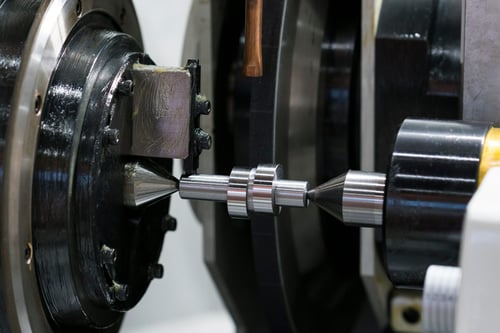
In high-precision environments where carbide, steel, and advanced materials are ground, extending grinding wheel life is not just about cost savings—it’s about maintaining process stability and part quality.
The Link Between Wheel Life, Performance, and Surface Finish
The longevity of a grinding wheel is directly tied to cutting efficiency. As a wheel wears, its ability to maintain sharp, consistent cutting action declines, leading to variations in surface finish and dimensional accuracy.
How Wheel Wear Affects Quality, Heat, and Precision
A worn or loaded wheel increases friction instead of cutting efficiently. This generates excess heat, which can damage both the workpiece and the wheel bond, reducing precision and consistency.
The Hidden Cost of Premature Grinding Wheel Failure
Frequent wheel replacement, scrap parts, and machine downtime all contribute to higher operational costs. Extending wheel life improves not just tool longevity, but overall productivity.
Diamond vs CBN Grinding Wheels – How Material Impacts Lifespan
Diamond Wheels for Carbide and Non-Ferrous Materials
Diamond grinding wheels are ideal for carbide, ceramics, and non-ferrous materials due to their extreme hardness and wear resistance. However, they are sensitive to heat and should not be used on ferrous materials.
CBN Wheels for Steel and Hardened Materials
CBN grinding wheels excel in grinding hardened steels and ferrous alloys. They offer superior thermal stability and maintain cutting performance under high temperatures.
Choosing the Right Abrasive to Extend the Life of the Wheel
Selecting the correct abrasive is foundational. Using diamond on steel or CBN on carbide will drastically reduce the longevity of a wheel and its performance.
Key Factors That Affect Grinding Wheel Life
Grinding Parameters: Speed, Feed Rate, and Cutting Conditions
Improper surface speed (SFPM), aggressive feed rates, or inconsistent material removal rates accelerate wheel wear and increase heat generation.
Heat Generation and Its Impact on Wheel Performance
Grinding generates intense heat, with studies suggesting that the workpiece can absorb up to 90% of that thermal energy depending on the setup. This buildup does more than just threaten the quality of your finished part; it also wears down the grinding wheel prematurely, leading to a shorter tool life.
Bond Type and Wheel Structure
The bond (resin, metal, vitrified, or electroplated) determines how the wheel wears and how it should be maintained. Each bond responds differently to heat, pressure, and conditioning methods.
Workpiece Material and Application Challenges
Harder materials, large contact areas, and interrupted cuts all place additional stress on the grinding wheel, influencing wear rates.
Wheel Surface Condition, Debris, and Loading
Material buildup (loading) reduces cutting efficiency and increases friction. Maintaining a clean, open wheel surface is essential for consistent grinding.
How to Extend Grinding Wheel Life in Surface Grinding
Optimize Wheel Speed and Surface Speed (SFPM)
Running at the correct surface speed ensures efficient cutting without excessive heat buildup.
Control Feed Rate and Material Removal Rate
Avoid overly aggressive cuts. Balanced parameters reduce stress on the abrasive grains and bond.
Reduce Heat with Proper Coolant Application
Coolant must be properly directed and maintained to effectively remove heat and debris from the grinding zone.
Maintain the Wheel Surface for Consistent Cutting
Instead of aggressive dressing, superabrasive wheels benefit from controlled conditioning and cleaning to remove loading and maintain cutting ability.
Avoid Excessive Pressure and Improper Operation
Increasing pressure to compensate for poor cutting is a common mistake that accelerates wear and damages both the wheel and workpiece.
The Role of Dressing in Extending Wheel Life
Dressing the Wheel to Maintain Sharpness and Performance
Unlike conventional abrasive wheels, diamond and CBN wheels are not typically dressed aggressively. Instead, light conditioning—such as using abrasive sticks or application-specific methods—is used to restore cutting performance, particularly for resin and vitrified bonds.
Preventing Wheel Loading and Glazing
Conditioning helps remove embedded material and bond smearing, allowing the abrasive grains to cut effectively again.
Dressing Frequency and Its Effect on Wheel Wear
Over-conditioning can reduce wheel life, while under-conditioning leads to loading and heat buildup. The key is controlled, application-specific intervals based on performance—not routine dressing cycles.
Selecting the Right Grinding Wheel for Longer Lifespan
Choosing the Right Bond for Your Application
Selecting the right bond type is critical to maximizing the usable time of a wheel, especially in demanding applications where performance and consistency are essential. For example, electroplated wheels offer aggressive cutting and precise form retention, but require proper handling and application to achieve optimal lifespan. Understanding best practices for extending the life of electroplated diamond wheels can help improve performance while reducing premature wear.
Grit Size, Wheel Performance, and Surface Finish
Finer grits improve surface finish but may load faster, while coarser grits increase material removal but can impact finish quality.
Matching Wheel Specifications to Material and Operation
Proper wheel specification—including bond, grit, concentration, and structure—ensures optimal performance and extended life.
Common Causes of Premature Wheel Wear and Damage
Excessive Heat and Overheating
Heat is the primary cause of bond degradation and abrasive wear.
Incorrect Grinding Parameters
Poorly set speeds and feeds reduce efficiency and increase stress on the wheel.
Poor Coolant Flow and Maintenance
Inadequate coolant leads to heat buildup and loading issues.
Vibration, Improper Mounting, and Machine Issues
Machine instability can cause uneven wear, poor surface finish, and reduced wheel life.
Surface Grinding Best Practices for Extending Wheel Life
Managing Contact Area and Wheel Surface Interaction
Surface grinding involves large contact zones, increasing heat and friction. Proper setup is essential to control these effects.
Reducing Heat Buildup in Surface Grinding Applications
Efficient coolant delivery and optimized parameters are critical for thermal control.
Achieving Optimal Surface Finish Without Excessive Wear
Balancing cutting efficiency with wheel preservation ensures consistent results and longer tool life.
Improve Grinding Wheel Life with Custom Diamond and CBN Solutions
Grinding wheels should not be treated as disposable tools, but as engineered components of a controlled manufacturing process. By optimizing grinding parameters, improving coolant application, and using proper conditioning methods instead of aggressive dressing, manufacturers can significantly extend the life of their diamond and CBN grinding wheels.
With the right approach, it’s possible to improve wheel performance, maintain precision, and reduce operational costs in even the most demanding surface grinding applications. Contact our team at Eagle Superabrasives to learn how to get the maximum usage out of your wheels.