

The Role of HVOF Coatings in Oil & Gas Surface Engineering
HVOF coatings play a critical role in extending component life in demanding oil and gas applications, but their performance depends heavily on what happens after the coating process. Achieving the required tolerances and surface finish through a controlled grinding process is essential to ensure each workpiece performs as intended in service.
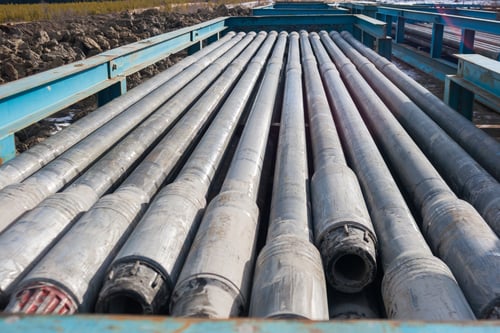
Why Oil & Gas Components Require Advanced Coatings
Oil and gas components operate in some of the most extreme environments in manufacturing. High pressures, abrasive media, and corrosive conditions demand materials that can withstand significant wear over time.
HVOF (High Velocity Oxygen Fuel) coatings are widely used to enhance:
- Wear resistance
- Corrosion protection
- Component lifespan
These coatings allow critical components to perform reliably in harsh environments where base materials alone would fail.
Common HVOF Coating Materials Used in Oil & Gas
Typical HVOF coatings include:
- Tungsten carbide-based coatings
- Chromium carbide coatings
- Other carbide-reinforced thermal spray materials
These materials are engineered for durability, but that same durability makes them extremely difficult to grind.
From Coating to Performance: Why Grinding Is Critical
While HVOF coatings provide exceptional protection, the as-sprayed surface is not suitable for final use. It must be ground to meet tight tolerances and surface finish requirements.
This final grinding step directly impacts:
- Sealing performance
- Wear resistance
- Component longevity
For a deeper understanding of how these coatings are applied and why they are used across industries, explore this HVOF coating overview, which breaks down the process and its benefits in more detail.
Understanding the Grinding Challenges of HVOF Coatings
Carbide-Based Hardness and Abrasive Resistance
HVOF coatings are engineered for extreme durability, which makes them highly resistant to material removal.
The dense, tightly bonded structure of these coatings comes from porosity levels that typically fall below 1–2% — a characteristic that drives up grinding forces and reduces how well conventional abrasives can perform against them.
Combined with carbide-based hardness, this creates a highly abrasive environment that rapidly degrades standard grinding wheels.
Lamellar Microstructure and Its Impact on Grinding
HVOF coatings are formed through a layered (lamellar) structure created during the thermal spray process.
This structure can lead to:
- Uneven material removal
- Variable grinding forces
- Increased risk of localized defects
Grinding must be controlled to maintain consistency across the surface.
Thermal Sensitivity and Coating Integrity
Excessive heat during grinding can damage the coating by:
- Altering microstructure
- Causing micro-cracking
- Reducing adhesion strength
Maintaining thermal control is critical to preserving coating performance.
Surface Irregularities and Stock Removal Demands
As-sprayed HVOF coatings often have irregular surfaces that require significant stock removal before finishing.
This increases:
- Grinding time
- Wheel wear
- Risk of instability
Why Diamond Wheels Are Essential for Grinding HVOF Coatings
Diamond vs Conventional Abrasives in HVOF Applications
Conventional abrasives struggle to maintain cutting ability in carbide-based coatings.
Diamond wheels, however:
- Retain sharp cutting edges
- Resist wear in abrasive environments
- Maintain consistent performance
Maintaining Cutting Ability in Carbide Coatings
The hardness of carbide phases requires an abrasive that can penetrate the surface efficiently and maintain sharpness under load. Diamond is uniquely suited for this task.
Lower Grinding Forces and Heat Generation
Efficient cutting reduces friction, which:
- Lowers grinding forces
- Minimizes heat generation
- Protects the coating
Achieving Critical Surface Finish for Oil & Gas Sealing
Surface finish is critical for sealing applications such as valve seats and pump components. Diamond wheels enable the precision required to meet these specifications.
Tool Life, Process Stability, and Cost per Part
Although diamond wheels are a premium solution, they:
- Last longer
- Maintain consistent performance
- Reduce downtime and scrap
This leads to improved cost per part over time.
Selecting the Right Diamond Grinding Wheel for HVOF Applications
Bond Type Selection for HVOF Grinding
Bond type controls how the diamond abrasive interacts with the coating.
Vitrified Bond Diamond Wheels
- High stiffness and form holding
- Excellent for precision applications
- Good thermal stability
Resin Bond Diamond Wheels
- Lower grinding forces
- Better surface finish
- Improved heat control
When and When Not to Use Other Bond Types
Other bond systems may be used in niche applications but often lack the balance required for HVOF grinding.
Grit Size Selection Based on Application
- Coarse grit: Higher removal rates
- Fine grit: Better surface finish
Concentration and Structure Optimization
Proper diamond concentration ensures:
- Consistent cutting action
- Controlled wear
The Importance of Wheel Geometry and Core Design
Wheel shape and structure impact:
- Contact area
- Heat generation
- Stability
Why Custom Grinding Wheels Outperform Standard Solutions
HVOF grinding is highly application-specific.
Custom-engineered wheels align with:
- Coating material
- Machine parameters
- Production goals
Common HVOF Grinding Problems and How Diamond Wheels Solve Them
Wheel Loading in Carbide Coatings
Diamond wheels reduce loading by maintaining sharp cutting edges.
Thermal Damage and Burning
Improved cutting efficiency reduces heat buildup.
Poor Surface Finish and Inconsistent Results
Consistent abrasive exposure leads to stable performance.
Premature Wheel Wear
Diamond significantly extends wheel life in abrasive environments.
Oil & Gas Applications Where Diamond Grinding Wheels Make the Difference
Valve Seats and Sealing Surfaces
Precision grinding ensures proper sealing and prevents leakage.
Pump Components and Wear Sleeves
Improved surface finish enhances durability and performance.
Downhole Tools and High-Wear Components
Diamond wheels handle extreme material conditions effectively.
Repair and Refurbishment of Critical Parts
Grinding restores components to required specifications.
Best Practices for Grinding HVOF Coatings
Optimizing Grinding Parameters
Achieving optimal results requires control of:
- Wheel speed
- Feed rate
- Depth of cut
For more detailed, application-focused guidance, review our guide on grinding HVOF coatings with diamond wheels, where we outline key techniques to improve efficiency and extend wheel life.
Dressing Strategies for Diamond Wheels
Unlike conventional wheels, diamond wheels rely on controlled wear rather than frequent dressing.
Coolant Application and Heat Control
Coolant plays a critical role in:
- Reducing heat
- Extending wheel life
- Protecting coating integrity
Process Consistency and Quality Control
Stable conditions ensure repeatable results and consistent surface finish.
Get the Right Diamond Grinding Wheel for Your HVOF Application
Grinding HVOF coatings is one of the most demanding operations in manufacturing.
Success depends on selecting the right diamond grinding wheel—engineered specifically for the application.
At Eagle Superabrasives, we design custom diamond wheels optimized for thermal spray coatings, helping manufacturers improve surface finish, reduce downtime, and achieve consistent, high-performance results in oil and gas applications. Let's talk about what your application needs — reach out to our team today.