

The Real Challenge of Grinding Composite Materials
Composite materials such as CFRP, GFRP, and fiberglass behave very differently than traditional metals during grinding. Their structure combines hard, abrasive fibers with a softer resin matrix, creating an inconsistent and highly demanding cutting environment.
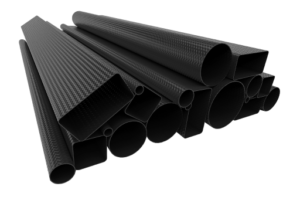
Tool wear is a persistent challenge in polymer composite machining — studies indicate wear rates can be 10 to 100 times greater than what's observed with conventional materials. The culprit is the abrasive character of carbon and glass fibers, which accelerates degradation in standard abrasives and strains even lower-grade superabrasives.
This makes abrasive selection critical—not just for performance, but for maintaining process stability, surface integrity, and cost control.
Why Composites Behave Differently Than Metals
Unlike metals, composites do not have a uniform structure. Instead, they consist of:
- Reinforcing fibers (carbon or glass)
- A polymer resin matrix
This combination leads to:
- Uneven cutting forces
- Rapid abrasive wear
- Increased risk of surface defects
Grinding composites is less about material removal and more about controlled fiber cutting.
Common Failure Modes in Composite Grinding
When the wrong wheel is used, several issues can occur:
- Delamination – Layers separate due to excessive force
- Fiber pullout – Fibers are torn rather than cleanly cut
- Burning or heat damage – Resin degrades under heat
- Loading – Material builds up on the wheel surface
These issues are often misdiagnosed as machine problems, when in reality they originate at the abrasive interface.
Diamond and CBN Grinding Wheels: What Really Matters for Composite Applications
Abrasive Hardness vs Diamond Abrasive Effectiveness
While both diamond and CBN are classified as superabrasives, hardness alone is not the deciding factor in composites.
Diamond excels because it:
- Cuts fibers cleanly
- Maintains sharp cutting edges
- Resists wear from abrasive fibers
CBN, while extremely hard, is optimized for ferrous materials—not fiber-reinforced composites.
Cutting Mechanics: Fiber Cutting vs Material Smearing
The goal in composite grinding is to cut fibers cleanly, not smear material.
- Diamond wheels shear fibers with precision
- CBN wheels tend to push or smear fibers, especially in resin-heavy areas
This difference directly impacts surface finish and edge quality.
Thermal Behavior in Composite Grinding
Heat is a major concern in composite materials due to the resin matrix.
- Excess heat can soften or burn the resin
- This leads to poor surface finish and structural damage
Diamond wheels typically generate less heat due to their cutting efficiency, while CBN wheels may increase friction in composite applications.
Chemical Compatibility and Its Limited Role in Composites
CBN is often selected for ferrous materials due to chemical stability, but this advantage does not apply in composites.
Since composites are non-ferrous, chemical interaction is not a limiting factor—making diamond the more effective choice.
Diamond vs CBN Grinding Wheels for Composites — Direct Performance Comparison
When comparing diamond or CBN grinding wheels for composite applications, the differences go far beyond basic material compatibility. Performance is heavily influenced by how each superabrasive interacts with fiber-reinforced, brittle materials under real-world grinding conditions.
Material Compatibility
Diamond is the hardest known abrasive and is specifically suited for hard materials such as CFRP, GFRP, ceramics, and other non-ferrous composites. Its ability to cut through abrasive fibers without degrading makes it the preferred choice for consistent precision grinding of composite workpieces.
CBN abrasive, while second only to diamond in hardness, is engineered for ferrous materials where it can operate at high temperatures without breaking down. However, in composite applications, CBN does not interact effectively with the fiber-resin structure, limiting its performance.
Tool Life and Wear Behavior
Diamond grinding wheels offer significantly longer lifespan when machining composites due to their superior resistance to abrasive fiber wear. This allows for stable material removal rates and reduced need for frequent wheel changes, which is critical in high-volume production environments.
In contrast, CBN wheels tend to wear more rapidly when exposed to composite fibers. Since they are not optimized for this type of workpiece, performance degradation can occur quickly, leading to inconsistent results and higher tooling costs.
Surface Finish and Edge Quality
Achieving a clean surface on brittle materials like composites requires a cutting action that minimizes fiber damage. Diamond wheels excel in this area by producing sharp, controlled cuts that reduce fiber pullout and improve overall edge quality.
CBN wheels, on the other hand, are more likely to react poorly with the composite structure by smearing resin and tearing fibers. This results in rougher finishes and increases the likelihood of defects that require secondary finishing.
Productivity and Cost Per Part
Although diamond wheels typically come at a higher upfront cost, their performance advantages translate into greater long-term efficiency. With higher material removal rates, reduced downtime, and consistent cutting performance, they support more reliable and repeatable grinding processes.
CBN wheels may perform well in applications requiring excellent thermal stability, particularly when grinding steel or carbide-adjacent processes where materials must harden under heat. However, for composite grinding, diamond delivers a lower overall cost per part by minimizing scrap, reducing rework, and maintaining process stability.
When and Where CBN Is Used in Composite Machining
Composite-to-Metal Stack Materials
CBN may be used when machining stacks that include both composite and metal layers—but only when the process involves the metal component.
Secondary Operations on Metal Components
CBN is effective for:
- Grinding steel fixtures
- Finishing metal components in hybrid assemblies
Why CBN Is Not Used on the Composite Itself
CBN does not perform well on composite materials due to:
- Poor fiber cutting ability
- Increased heat generation
- Faster wear
Choosing the Right Diamond Wheels for Composite Applications
Bond Type Selection for Abrasive Wheels for Composites
Bond type plays a critical role in the performance of abrasive wheels for composites, directly impacting cutting efficiency, heat generation, and surface quality.
Selecting the right bond ensures proper grit exposure and helps reduce issues such as delamination and loading. For a more detailed breakdown, explore our guide on the best diamond wheel bond for cutting composites, where we cover how resin, metal, and electroplated bonds influence grinding results and process stability.
Grit Size Selection for Composite Grinding Wheels
- Fine grit: Improves surface finish and reduces fiber damage
- Coarse grit: Increases removal rate but may increase defects
The optimal grit depends on the balance between productivity and finish requirements.
Wheel Design Factors That Impact Performance
Key design variables include:
- Wheel structure and porosity
- Concentration of diamond abrasive
- Wheel geometry and contact area
Each of these influences cutting stability and performance.
How to Choose the Right Wheel for Grinding Composite Materials
Selecting the right grinding wheel for composites requires more than basic abrasive selection—it involves optimizing the interaction between the superabrasive, bond system, and the composite workpiece.
Preventing Delamination
Delamination occurs when excessive force causes layers within the composite to separate, compromising structural integrity. Using a sharp, well-exposed diamond abrasive reduces cutting resistance and ensures the wheel cuts fibers cleanly rather than forcing them apart, which is critical when working with brittle materials.
Minimizing Fiber Pullout
Fiber pullout is often the result of dull abrasives or improper grit selection that fails to shear fibers effectively. Finer grit sizes combined with the right bond system help maintain consistent cutting action, improving surface finish and supporting stable material removal rates in demanding applications.
Avoiding Heat Damage and Burning
Composites are highly sensitive to high temperatures, as excessive heat can chemically degrade the resin matrix and weaken the overall structure. Optimizing cutting parameters, along with proper coolant application, helps manage heat buildup and preserves both the part quality and the wheel’s lifespan.
Reducing Wheel Loading
Wheel loading occurs when resin and debris accumulate on the abrasive surface, reducing cutting efficiency. Selecting bond systems that promote controlled abrasive release ensures the wheel remains open and free-cutting, which is essential for maintaining consistent performance during composite grinding.
Diamond vs CBN — Choosing the Right Wheel for Composite Applications
When to Use Diamond Grinding Wheels
- Grinding CFRP, GFRP, and fiberglass
- Applications requiring high surface quality
- High-wear environments
When to Use CBN Grinding Wheels
- Grinding ferrous metals
- Secondary operations on steel components
A Simple Rule for Abrasive Selection
If the material is non-ferrous or fiber-reinforced, use diamond.
If the material is ferrous, use CBN.
Work with Eagle Superabrasives for Custom Composite Grinding Solutions
Composite grinding is not a one-size-fits-all process. The interaction between fibers, resin, and abrasive requires a carefully engineered solution.
At Eagle Superabrasives, we design diamond wheels specifically for composite applications—optimizing bond systems, grit structures, and wheel geometry to match your process. Reach out to our team and let’s talk about your grinding needs.
The result is improved surface quality, longer wheel life, and a more stable, repeatable grinding operation.