

Surface grinding with diamond and CBN grinding wheels is widely used in precision manufacturing, but even small inconsistencies in the grinding process can lead to poor surface finish, reduced wheel life, and unstable performance.
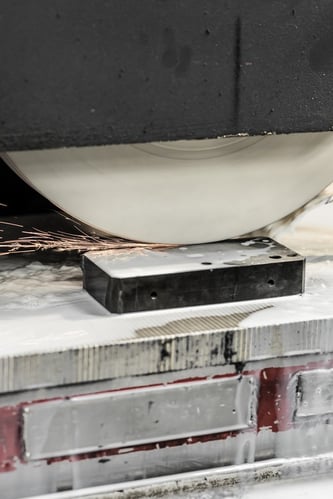
Many operators try to correct grinding issues by adjusting machine speed or slowing production. While these changes may temporarily reduce visible defects, they rarely address the root cause. In most cases, the problem originates at the abrasive interface, where the grinding wheel interacts with the workpiece.
Factors such as improper grit selection, incorrect bond structure, excessive friction, and unstable mounting conditions can all disrupt cutting efficiency. Understanding these variables is essential to restoring consistent grinding performance and extending wheel life.
How Diamond and CBN Grinding Wheels Work in Surface Grinding
What Makes Diamond and CBN Superabrasives Different
Diamond and CBN (cubic boron nitride) are classified as superabrasives due to their exceptional hardness and wear resistance.
- Diamond wheels are best suited for non-ferrous materials such as carbide, ceramics, and glass
- CBN wheels are ideal for ferrous materials like hardened steel and tool steels
Using the wrong abrasive type can lead to rapid wear, inefficient cutting, and poor surface quality.
Key Parts of a Grinding Wheel That Affect Performance
Grinding wheel performance is determined by three core elements:
- Abrasive grit – controls cutting sharpness and finish
- Bond type – affects grain retention and wheel wear
- Porosity/structure – influences chip clearance and coolant flow
An imbalance in any of these components can cause uneven cutting and inconsistent material removal.
Important Grinding Parameters in Surface Grinding
Several process variables directly impact grinding results:
- Feed rate
- Wheel speed (surface speed, typical SFPM)
- Depth of cut
- Coolant application
Incorrect parameter settings often increase friction, reduce cutting efficiency, and accelerate wheel wear.
Signs Something Is Wrong During a Grinding Operation
Changes in Surface Finish
One of the first indicators of a problem is a decline in surface finish quality, including:
- Burn marks
- Scratches or grooves
- Uneven textures
These issues typically point to dull abrasives, incorrect grit size, or wheel loading.
Machine Vibration or Chatter
Chatter appears as visible patterns or waviness on the workpiece surface and is often caused by:
- Poor machine rigidity
- Improper wheel mounting
- Imbalanced grinding wheels
If not addressed, chatter can quickly degrade both surface quality and dimensional accuracy.
Excess Heat or Thermal Damage
“During grinding, a large portion of the energy used in the process is converted into heat that transfers directly into the workpiece surface.”
— ScienceDirect Study
Excessive heat can lead to:
- Surface burns
- Microcracking
- Metallurgical damage
Thermal issues are often linked to poor coolant delivery, high friction, or dull abrasive grains.
Common Surface Grinding Problems With Diamond and CBN Grinding Wheels
Wheel Loading
Wheel loading occurs when chips become embedded in the wheel surface, reducing cutting efficiency.
Causes:
- Insufficient porosity
- Incorrect bond type
- Low coolant flow
Solution: Use a more open wheel structure and improve coolant application to maintain chip clearance.
Grinding Wheel Glazing
Glazing happens when abrasive grains become dull and stop cutting effectively.
Causes:
- Excessively hard bond
- Low feed rates
- Insufficient dressing
Solution: Dress the wheel regularly to expose fresh, sharp abrasive grains.
Chatter During Grinding
Chatter leads to inconsistent finishes and increased tool wear.
Causes:
- Machine instability
- Incorrect wheel speed
- Imbalanced wheel
Solution: Ensure proper mounting, balance the wheel, and optimize RPM settings.
Poor Surface Finish
Poor finishes are often the result of multiple overlapping issues:
- Incorrect grit size
- Dull abrasive grains
- Improper grinding parameters
Solution: Match grit size to the application and maintain consistent cutting conditions.
Short Grinding Wheel Life
Premature wheel wear increases costs and reduces process stability.
Causes:
- Incorrect wheel specification
- Excessive grinding forces
- Poor maintenance practices
To better understand the root causes, review these common mistakes that cause grinding wheels to fail.
How Grinding Parameters Affect Efficiency and Performance
Why Wheel Speed and RPM Matter
Wheel speed directly affects:
- Cutting efficiency
- Heat generation
- Surface finish
Too high RPM increases heat, while too low RPM reduces cutting effectiveness. The goal is a balanced speed that maintains sharp cutting action without overheating.
The Role of Coolant in Grinding Operations
Coolant is essential for:
- Cooling
- Chip removal
Inadequate coolant application is one of the leading causes of thermal damage and wheel loading.
Why Wheel Dressing and Diamond Dressers Are Crucial
Dressing restores wheel performance by:
- Exposing fresh abrasive grains
- Removing loaded material
- Re-establishing wheel geometry
Using a diamond dresser ensures consistent dressing results and improved grinding efficiency.
Best Practices for Improving Grinding Efficiency
Select the Right Grinding Wheel for the Application
Match the wheel to:
- Material type
- Required surface finish
- Grinding conditions
Proper selection reduces friction and improves overall process stability.
Maintain Stable Machine Setup
Ensure:
- Proper wheel mounting
- Machine rigidity
- Minimal vibration
Even minor instability can lead to significant grinding defects over time.
Monitor Grinding Operations Regularly
Routine monitoring helps identify:
- Changes in surface finish
- Wheel wear patterns
- Early signs of loading or glazing
Proactive adjustments prevent small issues from becoming major production problems.
When to Use Diamond vs CBN Wheels
Diamond Wheels for Non-Ferrous Materials
Diamond grinding wheels are ideal for:
- Carbide
- Ceramics
- Glass
- Composites
They provide superior wear resistance and precision in hard, brittle materials.
CBN Wheels for Ferrous Materials
CBN wheels are best for:
- Hardened steels
- Tool steels
- Alloy steels
They maintain cutting performance at high temperatures and deliver longer wheel life in ferrous applications.
Improve Grinding Results With the Right Superabrasive Partner
Surface grinding challenges are rarely caused by a single factor. Instead, they result from the interaction between wheel design, grinding parameters, and real-world operating conditions.
By focusing on:
- Proper abrasive selection
- Optimized grinding parameters
- Routine maintenance and dressing
Manufacturers can eliminate recurring grinding problems and achieve consistent surface finishes, improved efficiency, and extended wheel life.
Working with an experienced superabrasives partner like Eagle Superabrasives ensures access to the technical expertise needed to diagnose issues at the source and implement reliable, high-performance grinding solutions across demanding industrial applications.