

What Makes Composite Materials Difficult to Cut?
Fiber Structure and Abrasive Behavior
Composite materials such as CFRP and GFRP are fundamentally different from traditional materials due to their fiber-reinforced structure. These materials combine hard, abrasive fibers with a softer resin matrix, creating a highly inconsistent cutting environment.
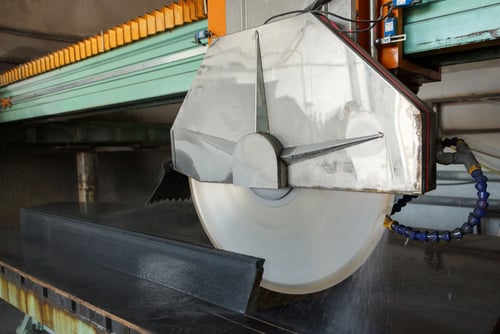
Tool selection and cutting conditions play a critical role with high fiber content GFRP. Without proper optimization, studies indicate the material is prone to both excessive tool wear and delamination.
This combination of abrasiveness and structural sensitivity is a primary reason why conventional cutting tools struggle in composite applications.
Heat Buildup and Matrix Degradation
Composite materials are highly sensitive to heat due to the polymer matrix.
Excessive heat can:
- Soften or degrade the resin
- Cause burning or discoloration
- Reduce structural integrity
Delamination, Fraying, and Edge Integrity
Improper cutting conditions can lead to:
- Delamination between layers
- Fiber pull-out
- Frayed edges
These defects directly impact part quality and performance.
Dust Generation and Process Risks
Cutting composites generates fine dust particles that:
- Pose safety risks
- Affect machine performance
- Require proper extraction systems
Why Diamond Cutoff Wheels Are Essential for Composite Cutting
Abrasion Resistance and Grit Retention
Diamond wheels are specifically designed to withstand the abrasive nature of composite materials.
They maintain:
- Sharp cutting edges
- Consistent performance
- Extended tool life
Precision Cutting and Edge Quality Control
This wheel type enables:
- Clean fiber cutting
- Reduced edge damage
- Improved dimensional accuracy
Reduced Heat Buildup During Cutting
Efficient cutting reduces friction, helping to:
- Minimize heat generation
- Protect the resin matrix
- Improve surface quality
Consistent Tool Life in Production Environments
Diamond wheels outperform conventional tools by maintaining performance over longer production cycles.
Types of Diamond Cutoff Wheels for CFRP, GFRP, and Fiberglass
Selecting the right composite cutoff wheel depends heavily on the material’s composition and the specific requirements of the cutting operation. Different bond types influence how the diamond blade interacts with abrasive fibers, affecting heat generation, cutting efficiency, and overall tool longevity in demanding manufacturing environments.
Resin Bond Diamond Cutoff Wheels
- Resin bond cut-off wheels are designed to deliver smooth, precise cutting with lower forces, making them the best way to handle heat-sensitive materials like CFRP. Their ability to minimize thermal damage helps produce clean cuts with minimal risk of delamination, especially when used on high-speed saw or diamond saw applications.
Metal Bond Diamond Cutoff Wheels
- Metal bond cutting discs offer superior durability due to their strong bond structure, making them ideal for highly abrasive fiber-reinforced plastics like GFRP and when cutting fiberglass with diamond wheel setups. These wheels maintain consistent performance under heavy removal conditions, helping prolong tool life in high-volume operations where wear from sharp abrasive particles is a constant challenge.
Electroplated Diamond Cutoff Wheels
- Electroplated wheels feature a single layer of exposed diamond grain, allowing for aggressive initial cutting and high efficiency in specialized applications. This design provides a sharp, open structure that enables fast material removal, but because the abrasive layer is fixed, these wheels are typically best suited for controlled applications where consistent geometry and angle of contact can be maintained.
How to Select the Best Diamond Cutoff Wheel for Each Composite
Each type of composite material responds differently to the cutting process, so selecting the right cut-off wheels requires a material-specific approach.
CFRP (Carbon Fiber Reinforced Polymer)
- CFRP requires a finer diamond grain and resin bond systems to control heat and maintain edge integrity during cutting. Using a high-quality diamond blade in stable conditions is the best way to achieve clean cuts with minimal fraying, especially in precision-driven manufacturing environments where accuracy is critical.
GFRP (Glass Fiber Reinforced Plastic)
- GFRP is more abrasive due to the presence of glass fibers, requiring a more durable disc with strong bond retention to withstand continuous wear. A well-balanced composite cutoff wheel helps manage rough cutting conditions while maintaining efficiency, particularly in high-speed operations where consistent removal rates are necessary.
Fiberglass (Rods, Sheets, Laminates)
- Fiberglass demands high wear resistance and a robust bond system to handle sharp abrasive particles that quickly degrade standard cutting discs. Optimizing cutting parameters—along with proper dust control systems like vacuum extraction—helps improve tool longevity and ensures safer, more consistent cutting performance across different part geometries.
Critical Specifications That Impact Cutting Performance
Grit Size and Surface Finish
- Fine grit: Better surface finish, reduced fiber damage
- Coarse grit: Faster cutting, higher risk of defects
Bond Type and Wheel Wear Behavior
Bond type plays a critical role in determining cutting performance, tool life, and heat management when working with composite materials.
Resin bond wheels are often preferred for smooth cutting and reduced heat buildup, while metal bond wheels provide superior durability in highly abrasive environments like fiberglass and GFRP. Selecting the correct bond directly impacts wear behavior, edge quality, and overall efficiency.
For a deeper technical breakdown, explore our guide on diamond wheel bond selection for cutting composites, where we explain how to match bond systems to specific materials and applications.
Wheel Thickness and Kerf Control
Thinner wheels:
- Reduce material loss
- Improve precision
- Require stable operation
Operating Parameters (RPM and Feed Rate)
Optimizing speed and feed rate is critical to:
- Control heat
- Maintain cutting efficiency
- Prevent damage
Common Problems When Cutting Composites (And Proven Solutions)
Delamination and Fiber Pull-Out
Cause: Excessive force or dull cutting edges
Solution: Use sharp diamond wheels and proper grit selection
Excessive Heat Buildup
Cause: High friction or incorrect parameters
Solution: Optimize speed and use appropriate bond systems
Rapid Tool Wear in Fiberglass
Cause: Highly abrasive glass fibers
Solution: Use durable bond systems such as metal bond
Poor Edge Quality and Chipping
Cause: Improper wheel specification
Solution: Match grit size and bond to application
Custom vs Standard Diamond Cutoff Wheels for Composites
Why Off-the-Shelf Wheels Fail in Composite Applications
Generic wheels are not designed for:
- Fiber-reinforced structures
- Heat-sensitive materials
- Application-specific demands
Advantages of Custom-Engineered Diamond Cutoff Wheels
Custom solutions provide:
- Optimized cutting performance
- Improved tool life
- Reduced defects
Total Cost of Ownership (Cost Per Cut vs Purchase Price)
Focusing only on purchase price often leads to:
- Higher scrap rates
- Increased downtime
- Shorter tool life
Custom-engineered wheels reduce overall cost per part.
Best Practices for Cutting CFRP, GFRP, and Fiberglass
Optimize RPM and Feed Rate
Balanced parameters improve cutting performance and reduce defects.
Minimize Cutting Pressure
Lower pressure reduces delamination and edge damage.
Manage Dust and Debris
Proper extraction systems improve safety and performance.
Inspect Wheel Condition Regularly
Monitoring wear ensures consistent cutting quality.
How to Choose the Right Supplier for Diamond Cutoff Wheels
Importance of Application Expertise
A knowledgeable supplier helps match the wheel to the application.
Customization Capabilities
Custom-engineered wheels deliver better long-term results.
Technical Support and Process Optimization
Ongoing support ensures continuous improvement.
Choose the Right Diamond Cutoff Wheel for Maximum Performance
Composite materials require a different approach to cutting—one that prioritizes precision, heat control, and durability.
This type of wheel provides the performance needed to handle these challenges, but the key to success lies in selecting the right wheel for the application.
At Eagle Superabrasives, we engineer diamond cutoff wheels specifically for composite materials, helping manufacturers achieve cleaner cuts, longer tool life, and more consistent results across demanding applications. Tell us about your grinding challenges, and we'll help you find the right fit.